logo

A Scottish Charitable Incorporated Organisation Number SCO46101

  • Latest News
  • Home
  • Projects
    • Mayega Water Project
    • Mayega Children’s Centre
    • Construction Project
    • Solar Power Project
    • The Nutrition Project
    • Family Support Project
    • Moving On Project
  • Tanzania Team
  • HEPOAA
  • Shrike Safaris
  • Volunteers
    • Volunteers Blog Valerie and Arnold Barrow 2017
  • Reports
  • GDPR
  • Location
  • Gallery
  • Newsletters
    • Newsletters 1- 33
  • Contact Us
  • Trustees
  • Donate Now
  • Accounts+ Annual Reports
    • Summary of accounts 2022 – 2023
    • 2021 – 20222 Annual Financial Returns
  • Birthday Picture Gallery
  • Nyumba Moja ( One House)

28.8.20 Mayega progress

The national Standard 7 school examinations are incredibly important. Progress onto secondary school is barred without a pass and that’s the end of education. This puts enormous pressure onto pupils and schools. League tables are as prominent in Tanzania as the UK. The schools in Simiyu Region respond to this situation by testing and testing and trying to get pupils comfortable with examination questions and conditions.

The regional mock results for Mayega Primary School were released last week and made very good reading. Mayega Children’s Centre have four pupils in S7 – one boy was fourth in his class and got an A grade, while the other three children were in the top 13 and received B’s (but were all within 5% of an A). There are 75 pupils in S7.

Results like this were unheard of at the Centre a few years ago, when failure was ever present. Much credit must go to Mwalimu Reni (the teacher at the Children’s Centre) and Patron Emmanuel (who is also a trained teacher). Both work part-time at the Primary School. Behind the scenes is Busega Scotland trustee Jenny Wallen, who collaborates with the Centre and School to help improve attainment and has worked at Mayega on two occasions.

We firmly believe that there is a learning culture established at Mayega Centre. The children believe they can succeed and there is help at hand to support them.

25.8.20 Back in Africa?

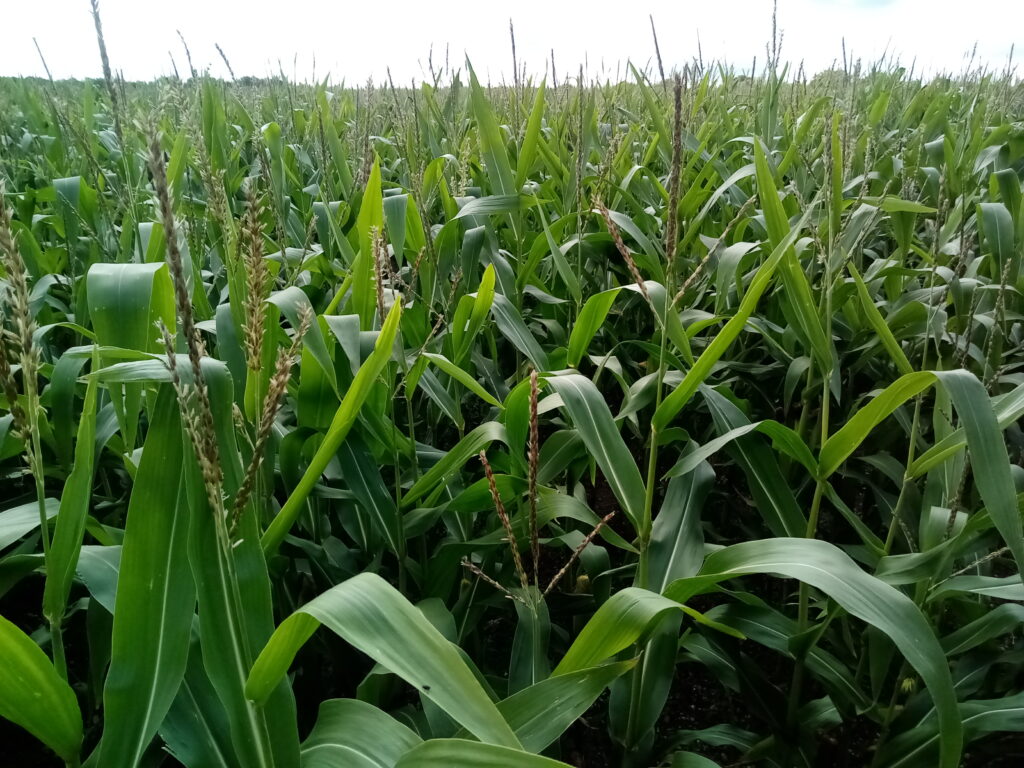
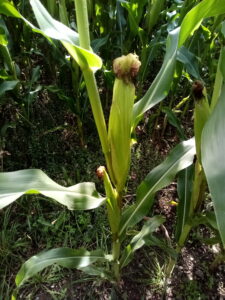
Unfortunately not! The very healthy looking mahindi crop is in Letchworth Garden City in Hertfordshire. Christine and John are visiting family. English maize is used for cattle feed. In Tanzania, the grain is ground and used as ugi (a thin breakfast porridge) or ugari (a thicker paste served as a main meal with meat, fish and vegetables). Mahindi, wali (rice) and cassava are staples in the diet.

There was good news at the beginning of July when the World Bank declared Tanzania a ‘lower middle-income nation’. This move up from the ‘least developed’ category has come five years ahead of a schedule set-out in the National Development Vision.
This does not mean that Tanzanians are rich by any stretch of the imagination. Gross National Income is at $1,080 per capita (in UK it is $42,370). As with everywhere, there are great income disparities. Agriculture provides livelihoods for about 55% of the population and about 75% of poorest Tanzanians subsist in that sector.

Although economic growth has slowed due to the pandemic, the middle income classification will help with international economic credibility in attracting inward investment. The increased wealth allows additional spending on health, education, water and infrastructure projects.

There is further information in a Forbes Africa article ‘Tanzania Is Ahead Of Schedule’.

https://www.forbesafrica.com/brand-voice/2020/08/19/tanzania-is-ahead-of-schedule-under-magufuli/#:~:text=Despite%20the%20global%20COVID%2D19,%24622%20in%20the%20previous%20administration.

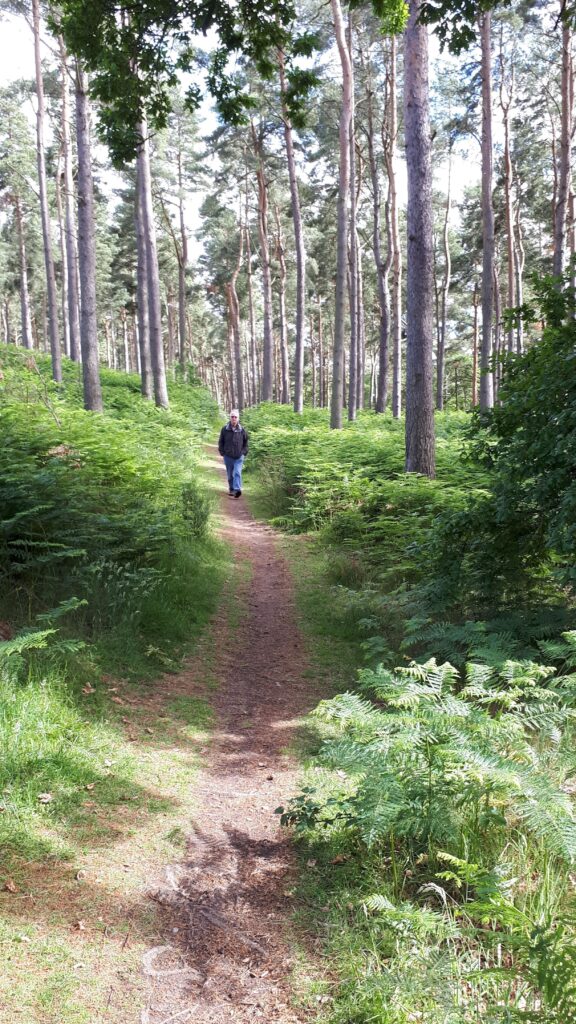
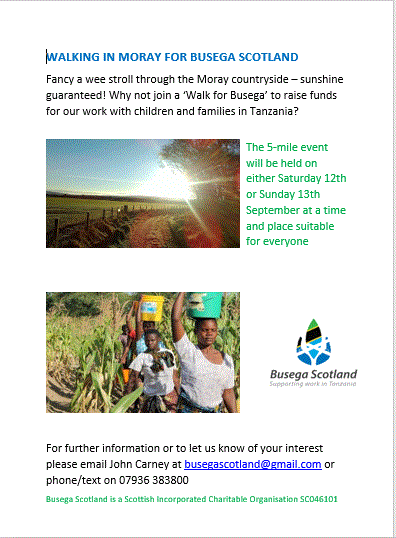
23.8.20 Walking for Busega Scotland

3.8.20 Re-starting Family Support

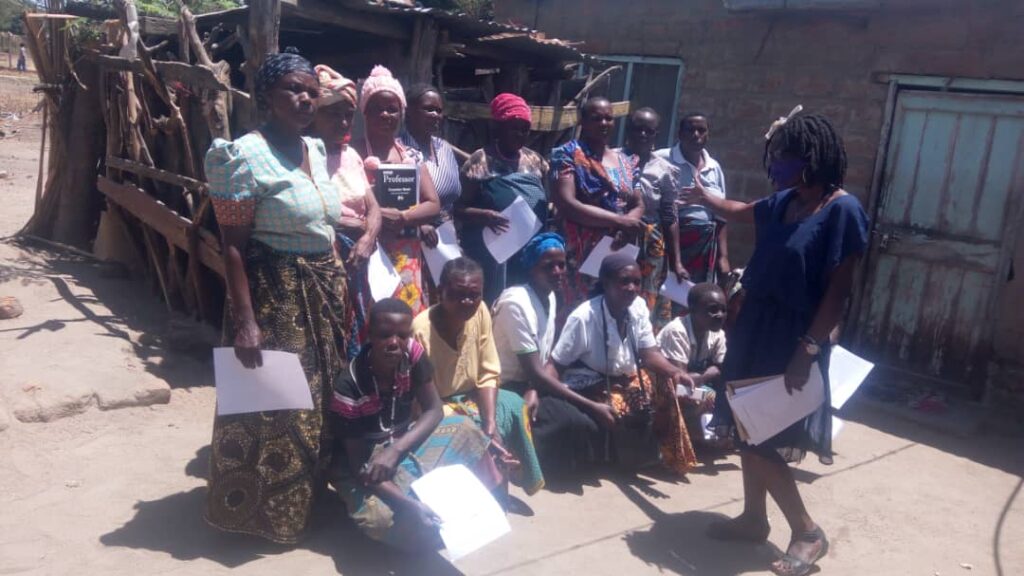
Work on new women’s groups has been suspended for the last four months due to the Corona virus situation in Tanzania. With the government now encouraging a return to more normal business, and with Busega Scotland’s Covid Action Plan in place, Julieth Godwin, our Assistant Project Leader, has begun to assess women in Igombe town and Mayega village.

We have had two groups before in Igombe but Mayega is a new location for our family support work. The aim is to  identify 30 women in each community, who have vulnerable family situations, and help with capital for their own Village Community Bank (VICOBA). The capital payment is about £700, made in three instalments, while Julieth checks that the funds are being well administered. The women can take loans to develop small businesses. The VICOBA capital grows from the interest paid. In effect, Busega Scotland kick starts mutual self-help.

Once the two new groups are in place, Busega Scotland will have supported 180 women across three different communities. In Mayega, the home of our Children’s Centre, we also have a water project and involvement in the primary school.

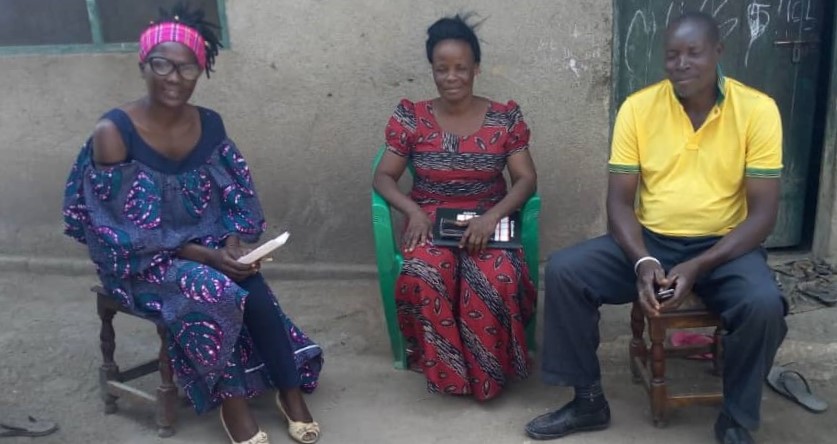
The photograph shows Julieth (on the left) meeting with Mayega Group Chairperson, Willemina Medadi, and the Village Executive Officer, Peter Irunda. The VEO is the government’s representative at village-level and will recommend women for assessment by Julieth.

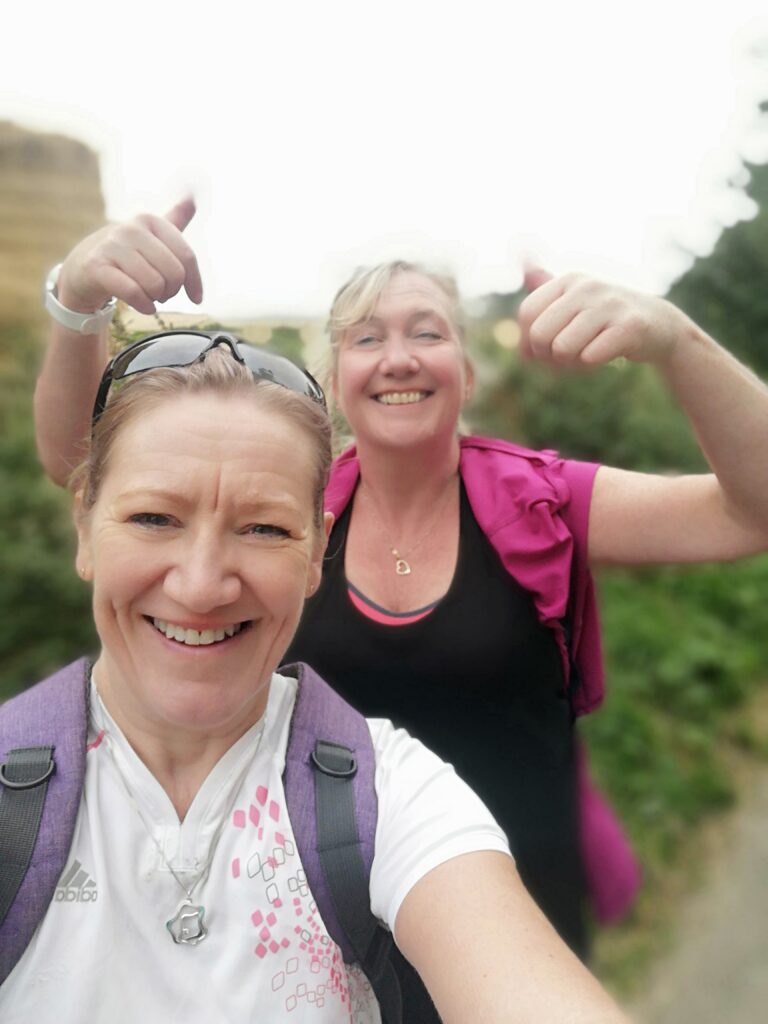
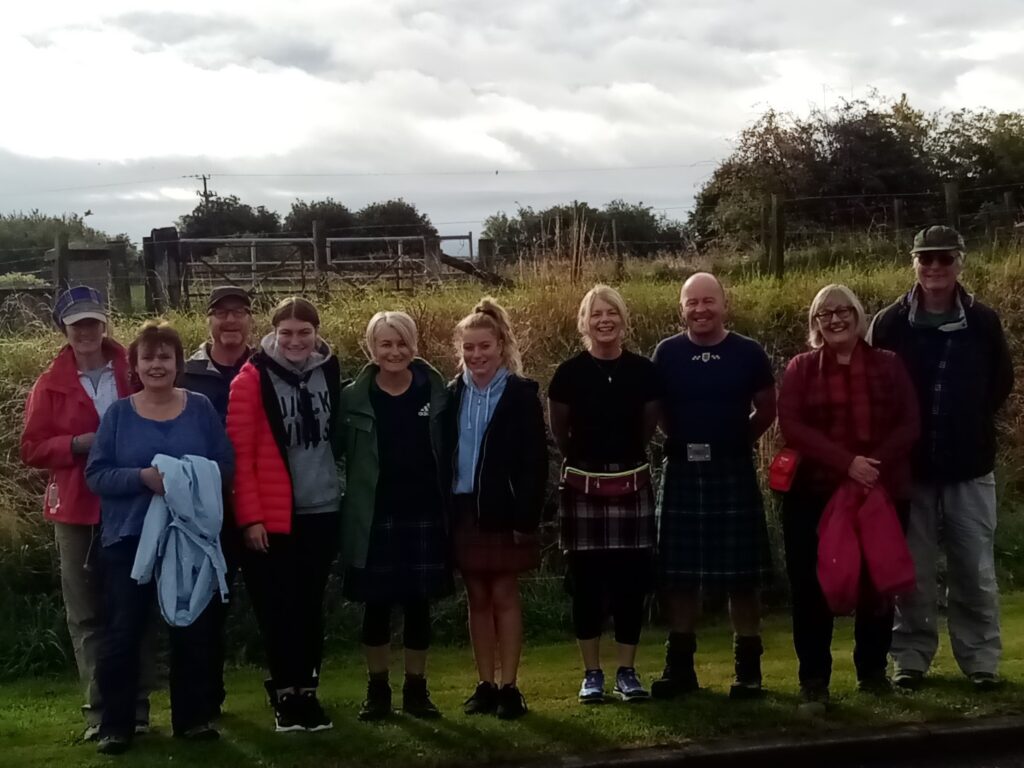
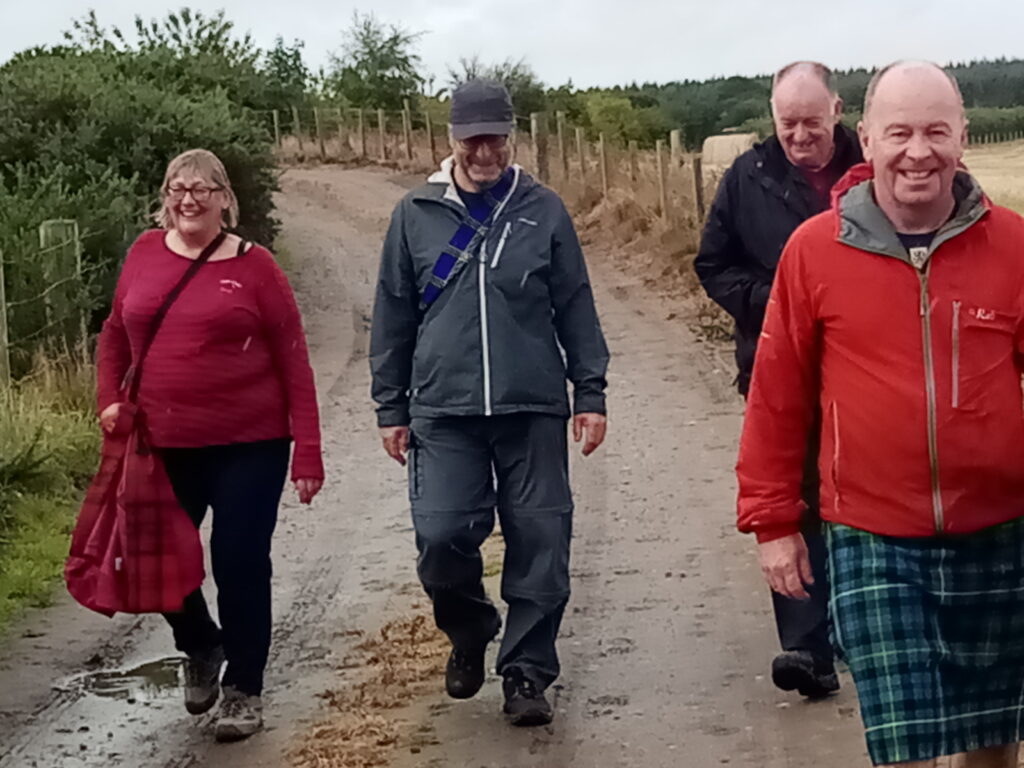
3.8.20 Kiltwalk for Busega – fancy joining in?


The Kiltwalk is a programme of fundraising walks that normally occur in various locations across Scotland. Unfortunately, Covid has had an effect and the last walk of the year has become ‘virtual’. Here is a  message from the organisers:
‘On the weekend of the 11th – 13th September, the Edinburgh Kiltwalk is going Virtual! You can take on any Kiltwalk Inspired challenge you wish – go for a walk, a cycle, jump on a trampoline, or even a family scavenger hunt! Raise funds for your chosen charity and everything you raise will receive a 50% top up from The Hunter Foundation.’

The fundraising can go on anywhere, making it open to everybody.

Along with all other charities, Covid-19 is presenting Busega Scotland with unprecedented challenges; from keeping children safe in Tanzania, to raising enough funds to meet our commitments. The Kiltwalk is an excellent opportunity to help, have exercise and some fun.

You can register through

https://registration.everydayhero.com/ps/event/TheEdinburghKiltwalk2020

As part of your registration, you should nominate Busega Scotland as your chosen charity and, if you wish, be included on our Team page.

We really hope you can take part and support our work.

Please note:

  1. Registration for the Kiltwalk costs; £12.80 for adults and £6.80 for children (aged 5-15 years)
  2. If you’d just like to support Busega Scotland’s Kiltwalk team, it is possible to donate at

https://edinburghkiltwalk2020.everydayhero.com/uk/john-8

  1. If you live in Moray we may be able to organise a group walk, Covid restrictions permitting
  2. For more information contact John Carney through  busegascotland@gmail.com or on 07936383800

Please pass on this information to anyone you think maybe interested in joining the Virtual Kiltwalk.

30.7.20 Mayega Water and Sanitation Project

This article tells the story of the Mayega Water and Sanitation Project. And it is a very good story!

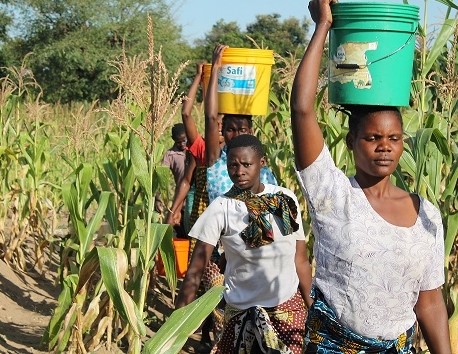
In 2017, the Mayega Water Group was formed to plan improvements to water and sanitation in the village of Mayega. There was plenty of scope, as villagers were carrying water in buckets from Lake Victoria. Busega Scotland chairs the water group and it has many local stakeholders.

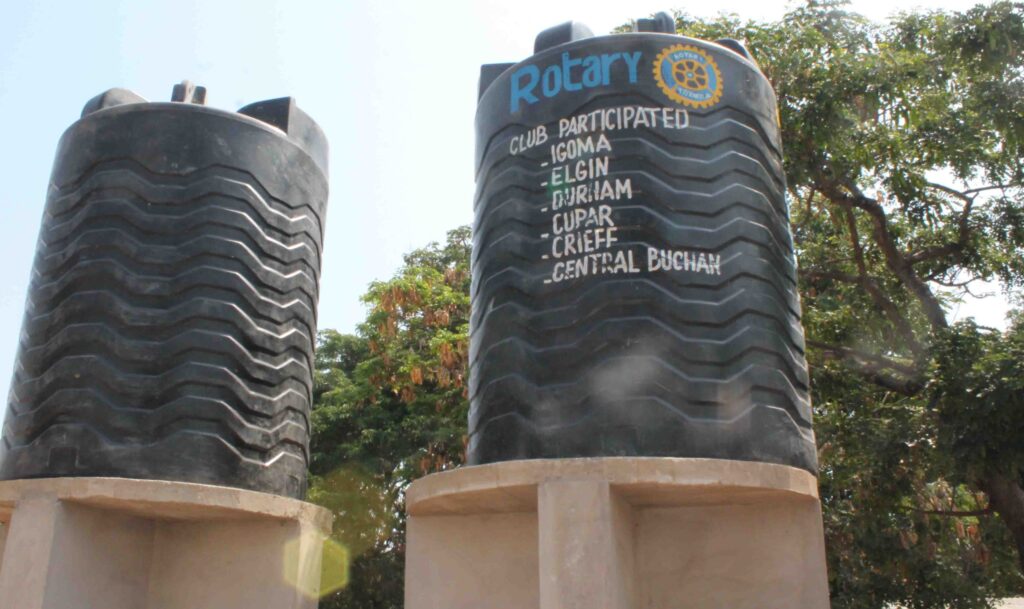
The project has just completed Phase 3, involving a Rotary International Global Grant of $39,000US and local Tanzanian funding of $20,000US. Busega Scotland made a more modest contribution of $750US!

However, we have played a pivotal role in planning all three phases of the project, working closely with the Tanzanian government and Rotary Clubs in Elgin and Igoma, Tanzania. So, what has been achieved:

  • A mains water supply for the village
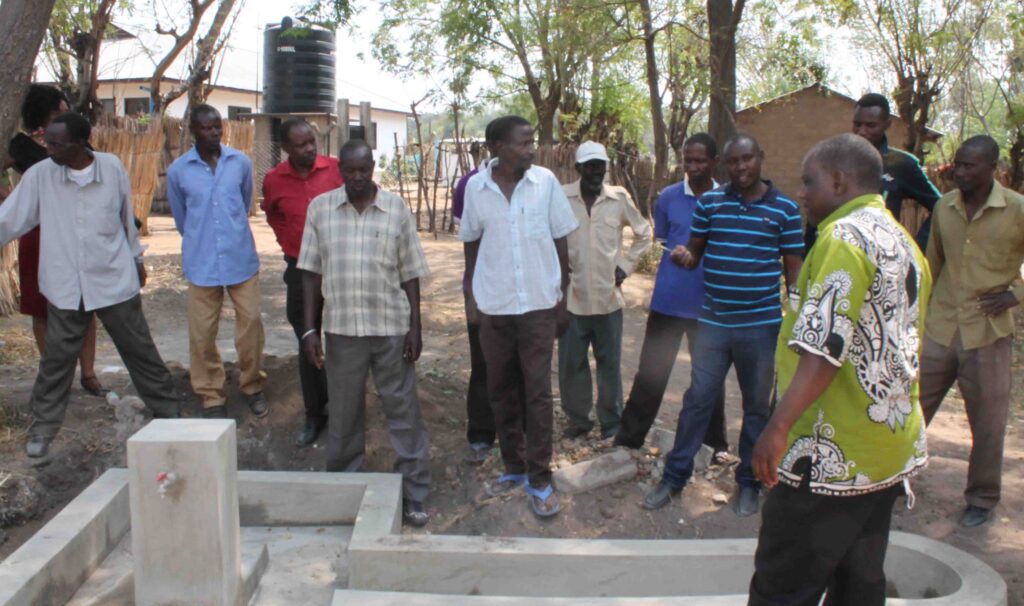
  • 18 water distribution points (including the primary school, dispensary and our Children’s Centre)
  • A kitchen at the Children’s Centre
  • 7 demonstration family toilets
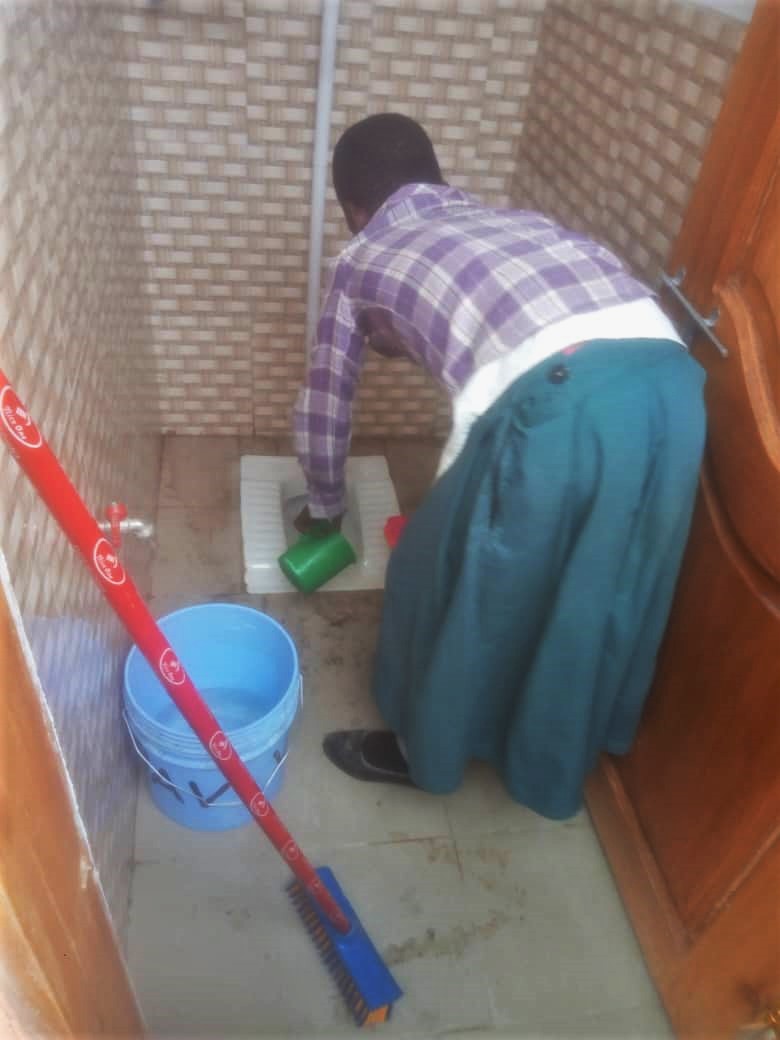
  • Toilets for the primary school
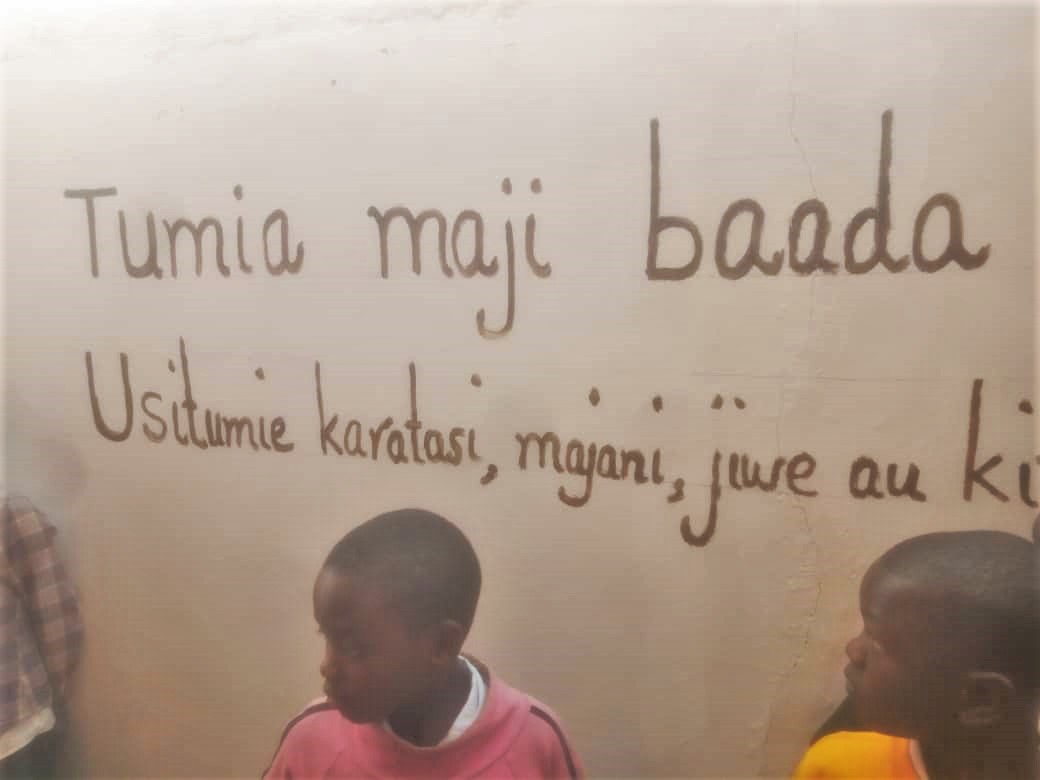
  • Sanitation training in the village and primary school

Having a water supply at the Children’s Centre has allowed Busega Scotland to install flush toilets, showers and wash hand basins, and develop the vegetable garden.

We are now beginning to think about Phase 4 and thank all participants for their commitment to the project.

Water Distribution Points

DPs are the cornerstone of bringing water to the people in rural Tanzania.

The Tanzanian government has set a standard of one DP per forty households and these to be built to a nationally approved design. Mayega is composed of seven sub-villages, with just over five-hundred families.

The water project has installed two DPs for each sub-village, at a ratio of one DP for thirty-five families. This has made a tremendous difference by providing clean water plus avoiding the dangerous and insanitary practice of collecting water from Lake Victoria or temporary water sources. Two people have been killed at Mayega in the last year from crocodile and hippo attacks – a fisherman and a woman working in her garden close to the lake.

Family Toilets

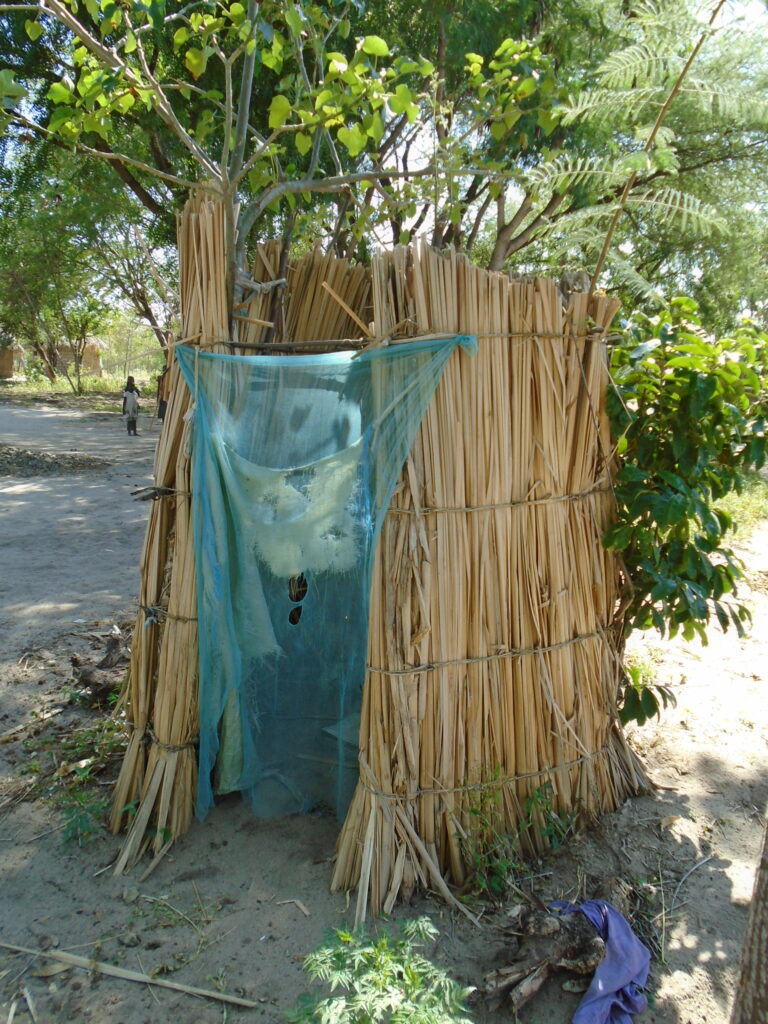
Makeshift family toilets are a common feature in Mayega village. People do their best but the facilities are not dignified or sanitary.

The Tanzanian government is promoting a particular design of village toilet and this has been adopted by the Mayega Water Project. We do not have the capacity to support every family, so decided to construct one demonstration toilet in each sub-village (seven in total), with training for villagers to learn the construction techniques. The toilets were built at households that are particularly poor and were selected in consultation with the sub-village chairmen.

The intention is for other families to start constructing toilets bit by bit as funds allow – this is common for construction in Tanzania. We are hopeful. When the mains water supply was established in Mayega, a number of villagers approached the District Council for connections to be made to their own houses. As everywhere, people want improvements in their lives.

Primary School Toilets

Imagine a primary school with 950 pupils and dry toilets. That was the predicament of Mayega Primary School. The school has plenty of other issues to grapple with but no proper toilets in the 21st century!

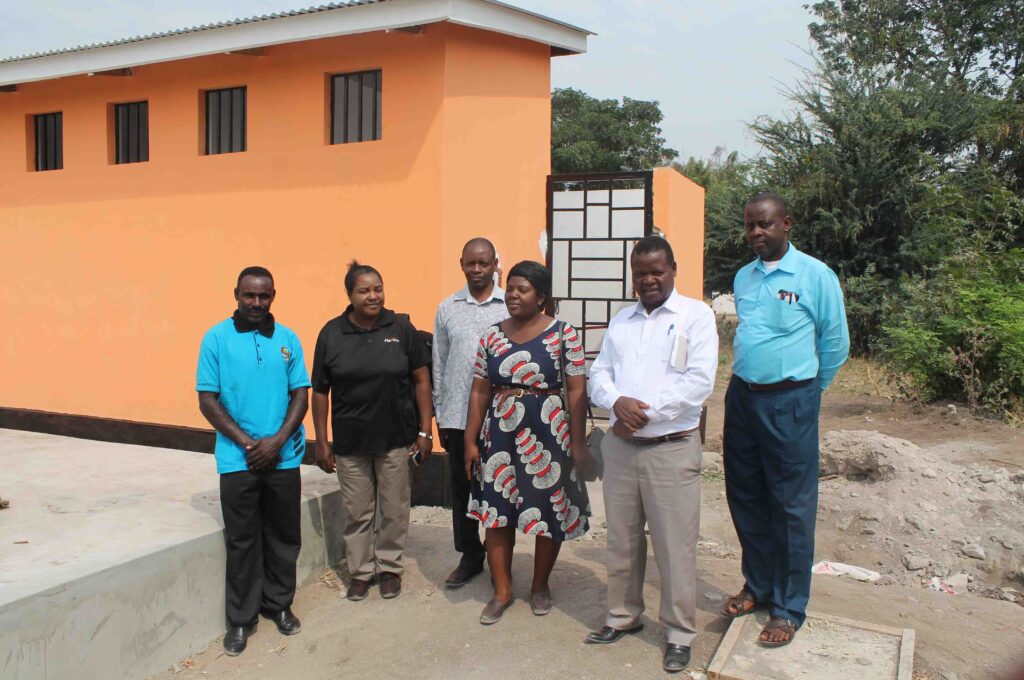
Rotary and Busega District Council came together with Busega Scotland and the Rural Water and Sanitation Authority, Tanzania to do something about it. Phase 3 of the Mayega Water Project has seen toilets built from a Rotary Global Grant and from Tanzanian government funding, added in recognition of the external financing. There are now two serviced toilet blocks for girls and two for boys.


Special mention must be given to the community effort in Phase 3. Villagers from Mayega have done a great deal of the non-skilled manual tasks on a voluntary basis, the government engineers have supported the project over and above their normal duties and Igoma Rotary has driven the project forward. Phase 3 has been completed in less than two months. The final word goes to the head teacher of Mayega Primary School (who is also the co-ordinator of the Mayega Water Project):

‘Mayega has now chosen to be the regional representative model, where other schools come to learn. It is the first school in Simiyu region to have the standard toilets infrastructure. I would like to take this opportunity to say thank you for school toilets, village toilets and water DPs.  Frankly speaking, the entire Busega community and Simiyu government leaders have been visiting Mayega and appreciating our work.’

20.7.20 Treats

Mayega Children’s Centre was in lockdown until Tanzanian schools went back at the end of last month. But no school didn’t mean no education. We employ two teachers on the Centre staff and they ensured that teaching and study took place. In some ways this was a bonus, as there could be concentration on the children’s weaker subjects. The test results we get weekly suggest significant progress is being made. Of course, hard work deserves its reward and so the children had a ‘soda and biscuits’ party to celebrate what they had achieved, and some form of normality resuming.

When our Mayega children finish school they are picked-up by our Moving-on project and enrolled in vocational education. After college, we keep in touch by our Assistant Project Leader Julieth Godwin ringing around weekly. It is to let everyone know we are here, through rain and shine. Busega Scotland is a big family. Julieth had the pleasure of meeting up with Enosi, when he was in Mwanza with his lorry. He is a driver and qualified mechanic and his work base is some 600 miles away, so he is an infrequent visitor. He left Mayega about 5 years ago and his making his own way in the world.

2.7.20 Attracting attention

The Mayega Water Project is attracting a lot of very positive attention in Tanzania. Officials from Busega District Council and Simiyu Regional Council have visited. They been very complementary towards the toilet construction at Mayega Primary School. The majority of funding has originated from Rotary Clubs in the UK and East Africa, and from Rotary International, but the local Rural Water and Sanitation Authority is also making a significant contribution.

The lead Rotary Club in Tanzania is from Igoma, near to the city of Mwanza. This is over 80 miles from Mayega. The town of Musoma is 70 miles in the other direction, along the shore of Lake Victoria. Members of its Rotary Club commemorated their visit to the toilet construction with a video clip.

https://busegascotland.co.uk/wp-content/uploads/2020/07/VID-20200701-WA0010.mp4

Schools went back in Tanzania on 29th March and the Mayega primary pupils duly lined up for handwashing. The school is having two sessions a day, to elongate teaching time and make up for the Covid disruption. Head teacher, Ernest Damiano, said the pupils wash hands before each session but social distancing is a big challenge, ‘we have a big number of pupils and few classrooms and desks, so there is still crowding’. Soon the 945 pupils will have proper toilets, to replace the dilapidated dry ones they have been forced to use until now.

1.7.20 Ins and outs


Christine has been reviewing the menu at Mayega Children’s Centre. To be able to consult with children and staff at such a distance is challenging but through WhatsApp it is possible. In fact, we have been having great success recently with virtual Monday morning staff meetings. This keeps our sense of working together going across the miles.

But back to the diet! The first step was to appoint a food leader to represent the children’s views, while bearing in mind the need for a healthy and varied diet. A consensus has been reached. Less sugar, a preference for rice over ugali (maize porridge), sweet potatoes when available, and more variety of vegetables at the main meals.

Swahili chapatis are a culinary wonder and a preparation stool, rolling pin and thick frying pan have been purchased for preparation. It is possible to make them with less specialised equipment and here is a link if you want to have a go.

https://jayne-rain.com/east-african-chapati-recipe/

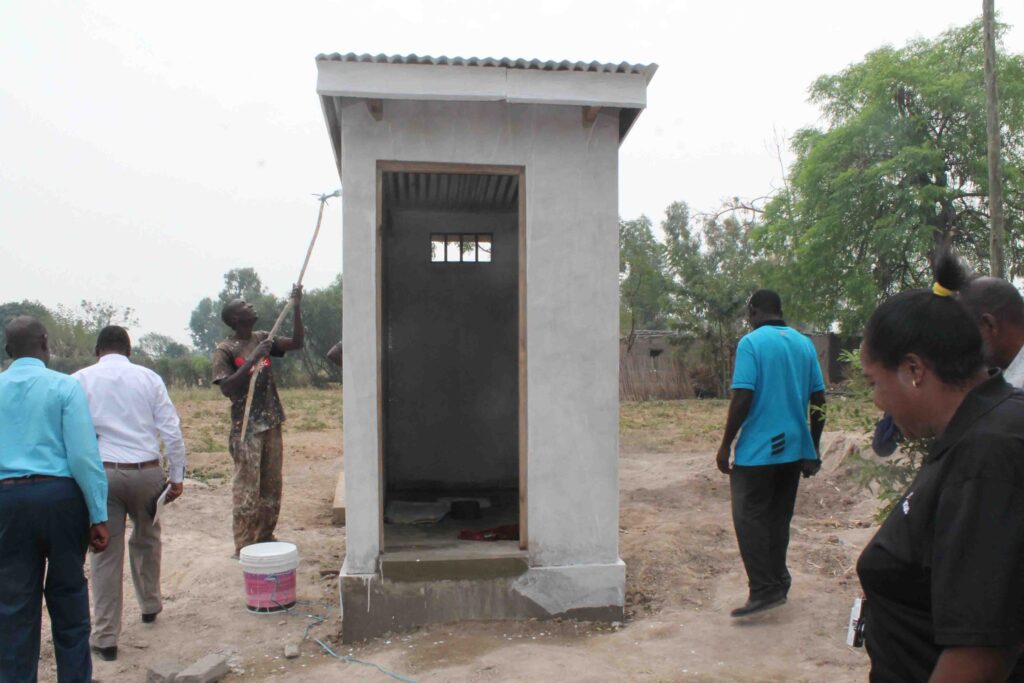
The news item ‘On Site’ on 070620 gave an update on the Mayega Water Project and progress in constructing toilets at Mayega Primary School. The second stage is to construct family toilets in each of Mayega’s sub villages (seven in total). This will benefit families and also teach building techniques for government recommended VIP toilets. It is possible for villagers to construct such toilets themselves over time, building bit by bit as funds are available. The photograph shows the early stage construction of the first toilet, partly funded by Busega Scotland. The Rural Water and Sanitation Authority is managing the work and a grant from Rotary International is providing the majority of funding.

Pamoja pamoja – forward together!


16.6.20 Mayega snippets

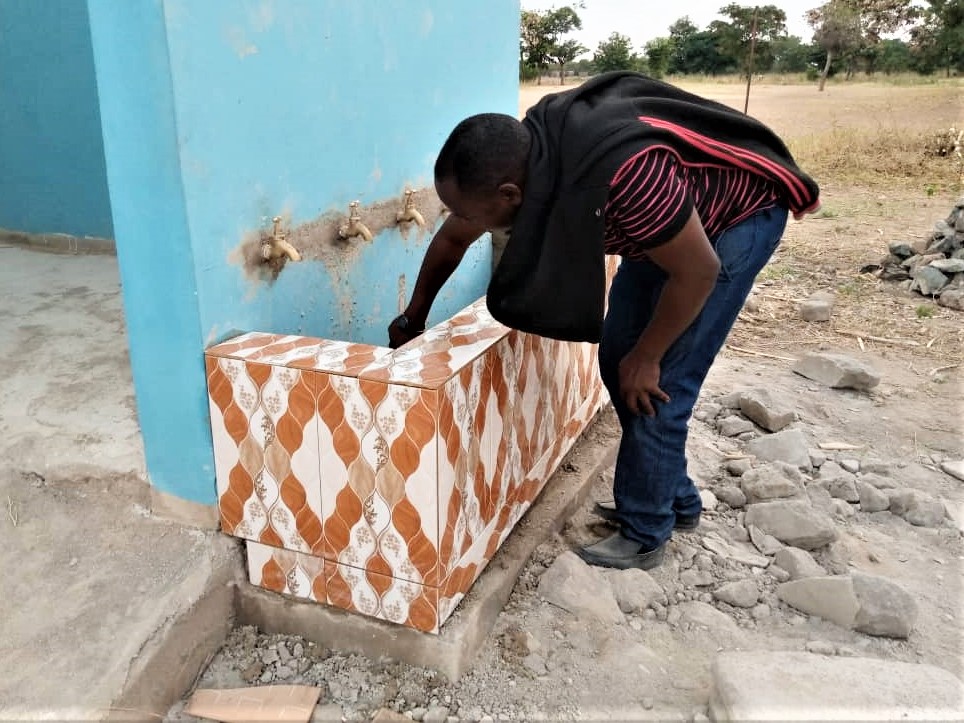
We had a very nice surprise just recently when Moses Lauwo of Igoma Rotary Club delivered a hand washing station to Mayega Children’s Centre. We have had facilities at the Centre gate since the start of the Corona crisis but the Rotary device is a step up. Many thanks to Moses and his colleagues for their kindness. There is also a washing station for workers on the construction site for the new toilets at Mayega Primary School.
The Tanzanian government has decided to reopen primary and secondary schools on Monday 29th June. The first country in East Africa to do so. Universities and colleges are already open. The latest official figures say there are 66 patients hospitalised with Covid across 10 of the country’s 26 regions. Our local contacts suggest there are no cases in Mayega or Busega District but we have heard of cases in the city of Mwanza.

Previous Entries
Next Entries

Pages

  • 2021 – 20222 Annual Financial Returns
  • Accounts+ Annual Reports
  • Birthday Picture Gallery
  • Construction Project
  • Contact Us
  • Current Projects
  • Donate Now
  • Family Support Project
  • Gallery
  • GDPR
  • HEPOAA
  • Home
  • Location
  • Mayega Children’s Centre
  • Mayega Water Project
  • Moving On Project
  • Newsletters
  • Newsletters 1 – 33
  • Nyumba Moja ( One House)
  • Reports
  • SHRIKE SAFARIS
  • Solar Power Project
  • Summary of accounts 2022 – 2023
  • The Nutrition Project
  • Volunteers
  • Volunteers Blog Valerie and Arnold Barrow 2017