
Our Sadio Mane article runs over four posts on the News page.
It was inspired by an email from California. Our great friend and former Mwanza resident, Susana Carpenter, sent us this message.
 Sadio Mane, the Liverpool star footballer from Senegal, has given the world a lesson in modesty, compassion and love after some fans spotted him carrying a cracked iPhone. His response when questioned about the broken phone was legendary:
“Why would I want ten Ferraris, 20 diamond watches and two jet planes? What would that do for the world? I starved. I worked in the fields. I played barefoot, and I didn’t go to school. Now I can help people. I prefer to build schools and give poor people food or clothing. I have built schools [and] a stadium; we provide clothes, shoes, and food for people in extreme poverty. In addition, I give 70 euros per month to all people from a very poor Senegalese region in order to contribute to their family economy. I do not need to display luxury cars, luxury homes, trips, and even planes. I prefer that my people receive a little of what life has given me.”
Susana was the leader of a Tanzanian kindergarten for disadvantaged children. Christine and John introduced her to the joys of Liverpool Football Club, by watching matches together. Susana was very enthusiastic and even got out of the habit of using the word soccer!
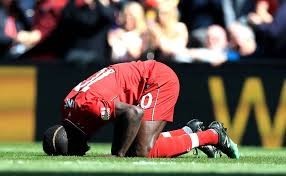

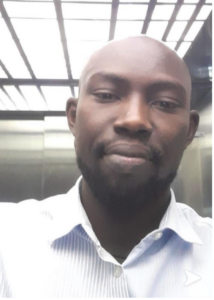
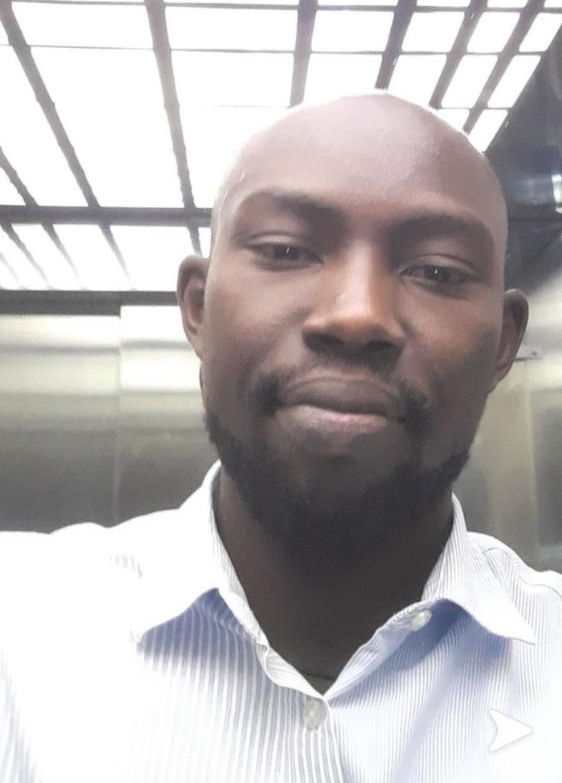
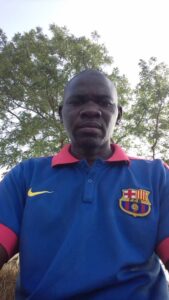 Alongside his footballing exploits, Thiouna said Sadio, ‘’is admired for his simplicity and calm nature’’.Kouly went further, ‘’through his social actions in his community, he is the pride of an entire people. All Senegalese people have a deep respect for him’’.
 Papa believes, ‘’he is appreciated by all and especially recognized for his discretion, his patriotism, and his generosity towards his home community’’.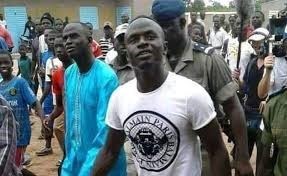
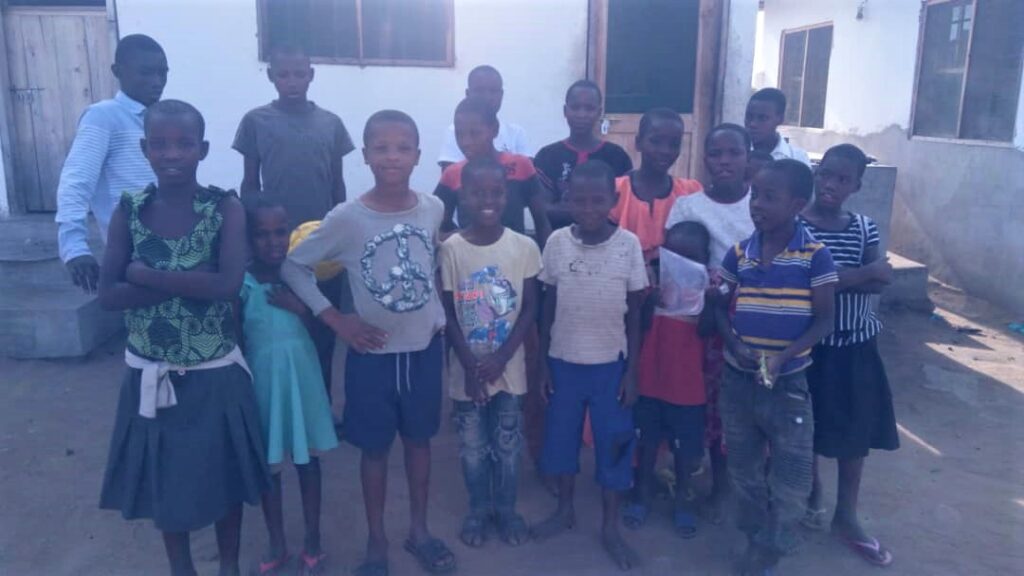
 During lockdown, Mwalimu Reni and Patron Emma have been keeping the children going with schoolwork. Reni has been checking the learning with testing. He believes Mayega pupils have done poorly in the past because they were not familiar with examination conditions. He is committed to changing that and the extra teaching will also help.
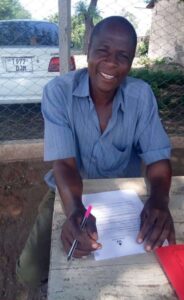 During his last visit, a contract was signed with Fundi (tradesman) Deus to repair the fence. Deus has become our ‘go to man’ for repair and maintenance tasks.
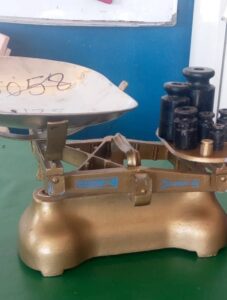 The children have preferences and we are trying hard to incorporate these. Scales have also been bought to help the cooks with portion size and to avoid any waste. As you might imagine, we get regular feedback on the diet from children and staff!
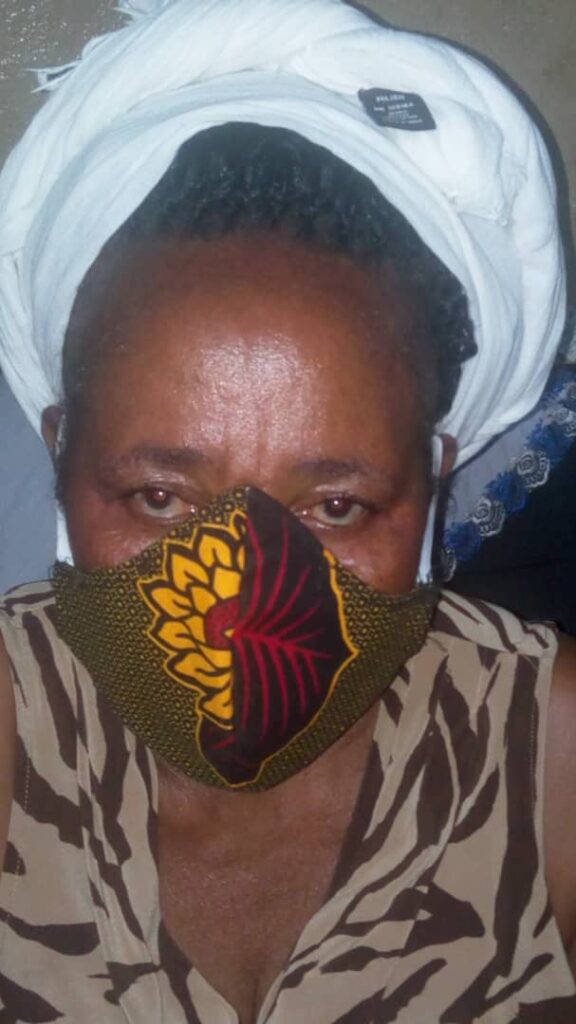
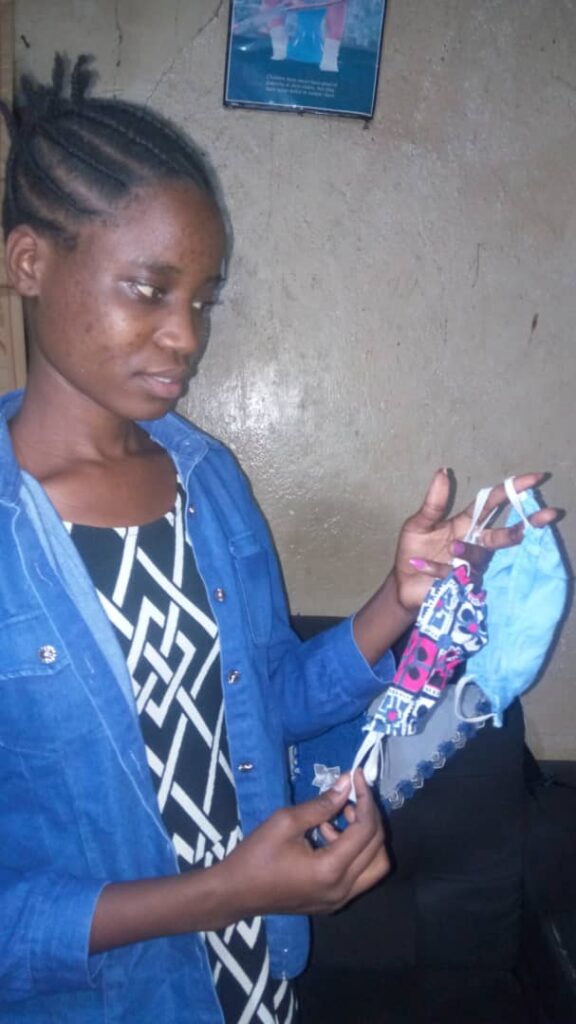 Busega Scotland interacts with the Covid-19 in different ways. One of our Mayega and Moving-on graduates, Happiness, has started making face coverings for sale in Mwanza. She is qualified tailor but the market for wedding dresses at the shop where she works has dried up. Indeed, the economy of the city has taken a significant downturn and prices are rising. Residents, like Happiness, have to make a living in whatever ways they can. Face coverings are now compulsory in many public places, such as banks and the shopping mall.
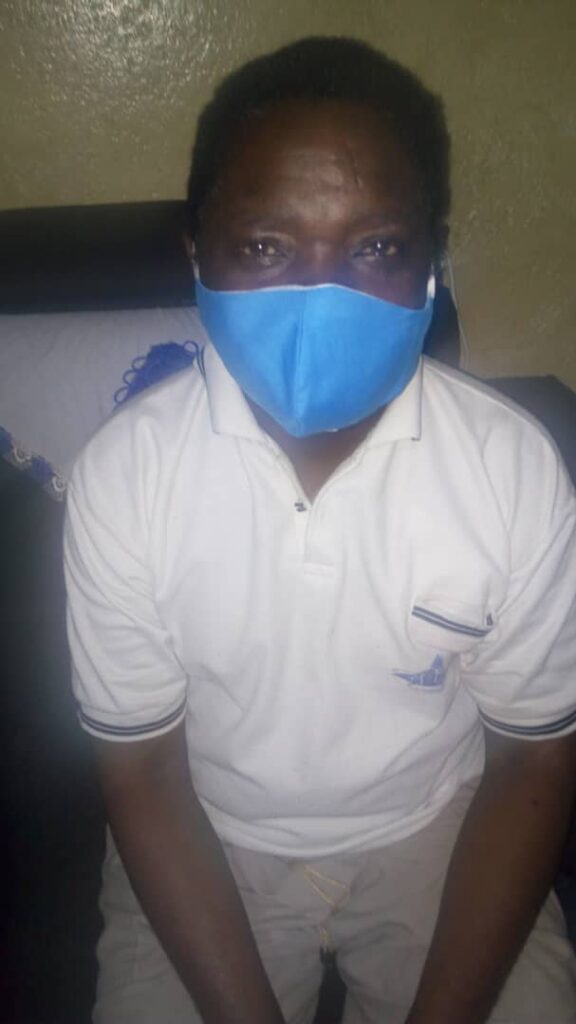 Our Project Leader, Gadlord Deuli, has one but we are not sure if Happiness was the creator. Reports we are receiving from Mwanza suggest that case numbers are rising and there is a quarantine camp on the outskirts of the city. The cost of PPE in Tanzania is increasing all the time. Our recent purchases from the government’s medical store, for the Children’s Centre at Mayega, are a bit eye-watering.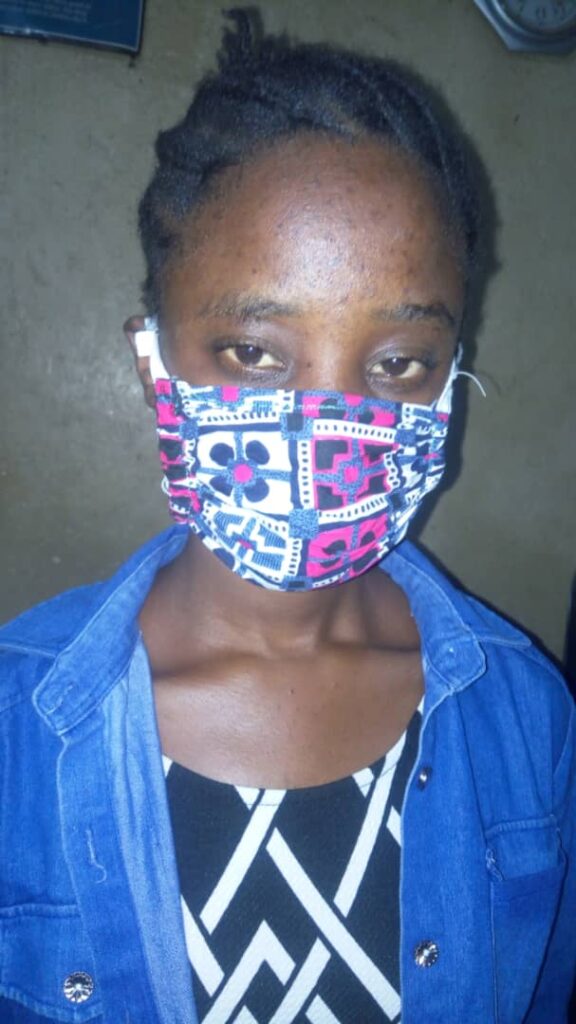
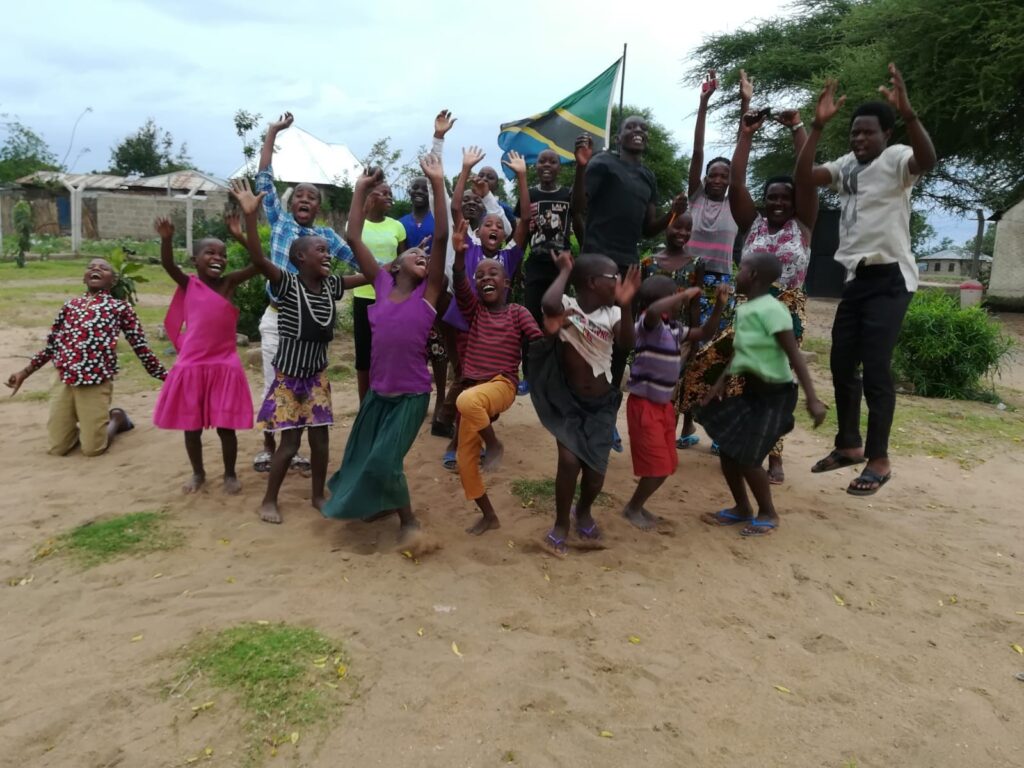
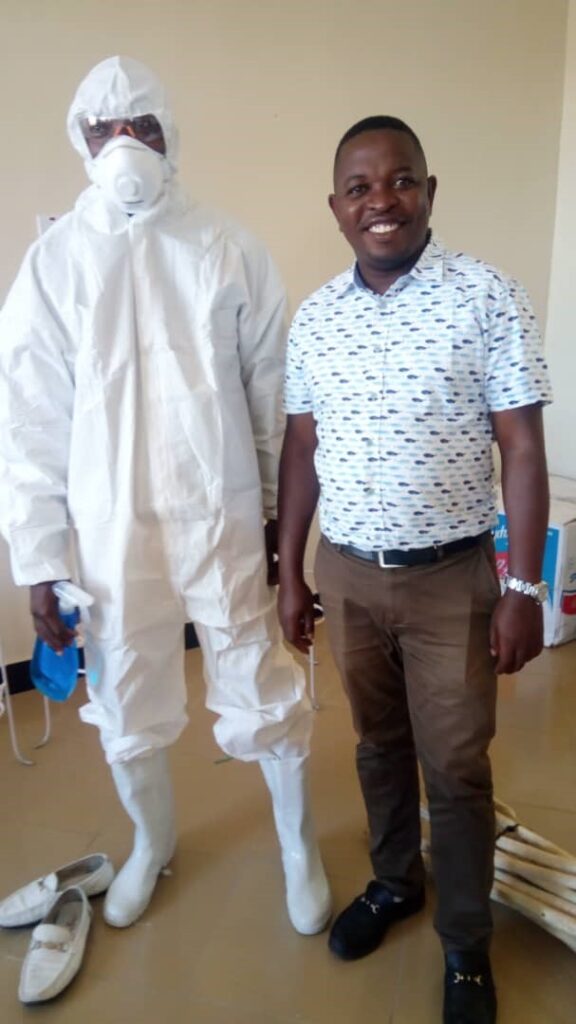 Busega district has no reported positive cases of Corona virus. There have been suspected cases, and despite its very rural nature the area is clearly at risk. The last national figures showed 480 cases and 16 deaths.
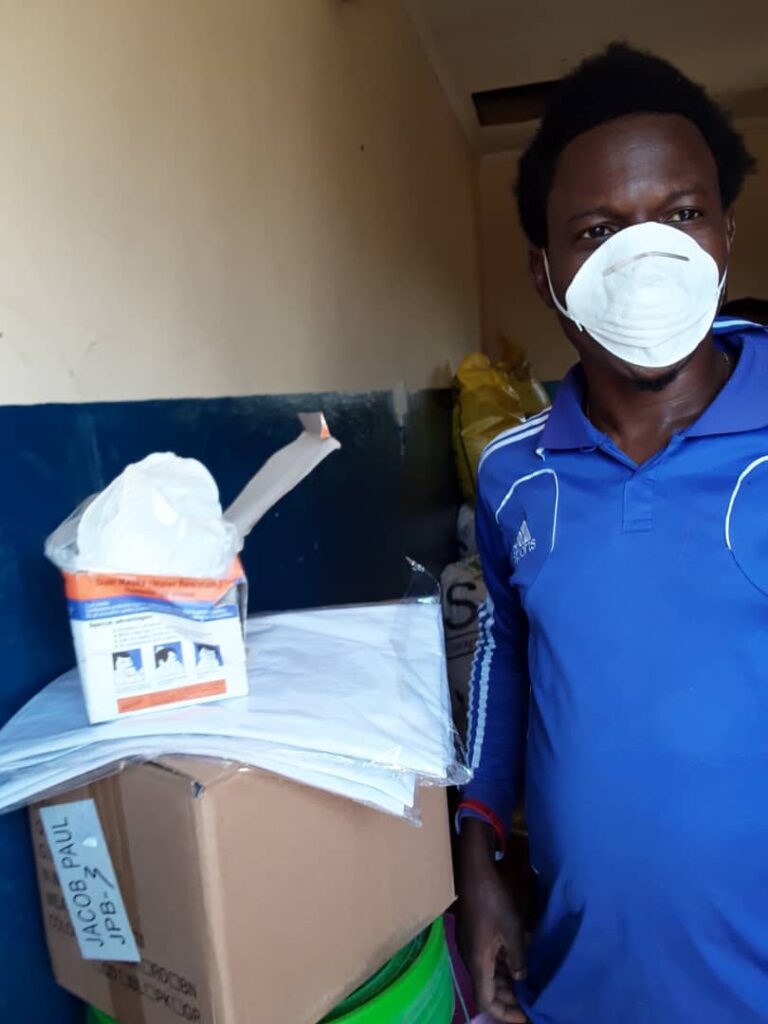 At Mayega Children’s Centre we have masks, gloves and aprons for use if someone is suspected of having the virus. Our Covid Action Plan is stopping access to the Centre, keeping the children inside and promoting good hygiene practices. We have adequate supplies of soap and hand sanitiser.
 A step change in the project was joining up with the Rotary Clubs of Egin in Scotland and Igoma in Tanzania. This allowed Busega Scotland to do the groundwork, along with Busega District Council and the water authority, RUWASA, to prepare a Rotary International Global Grant application, which Elgin submitted.
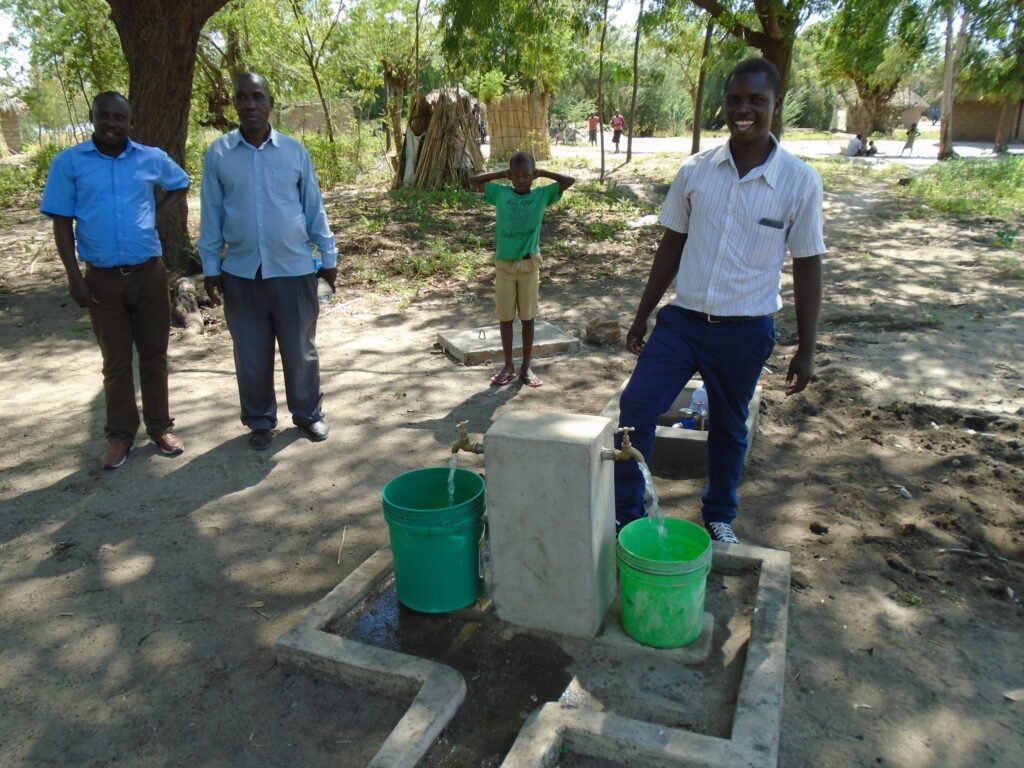 Mayega Primary School will benefit from proper toilets, the village will have 7 new water distribution points and family toilets will be piloted. To support the expanded facilities, a new mains pipe will be installed along with a chlorination unit. The project will be backed-up by sanitation training and education in the village and school.