More than anything else, Busega Scotland has facilitated a community of people interested and committed to supporting vulnerable children and families in Tanzania. September 2020 shows this perfectly.
The Busega Scotland Kiltwalk season is finished. 2 people walked a marathon, 13 did 5 miles and 6 walked 77 miles of the Great Glen Way. The walking attracted over 200 donations from as far away as Germany and Japan. The total amount raised for Busega Scotland was an incredible £16,472. This included 100% top up donated by the Hunter Foundation..
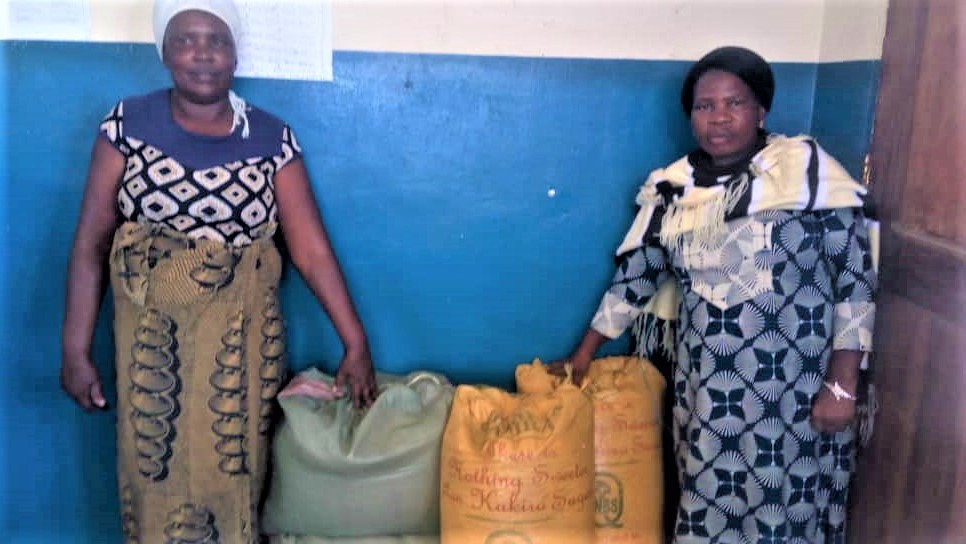
While this was going on, the Touch Ministry in Mwanza was delivering sacks of rice and maize to Mayega Children’s Centre. The Ministry was doing what it could to help and this is not unique in Tanzania. One local safari company makes donations, the District Council pays two-thirds of the Centre’s water bill and government engineers have provided ‘benefit in kind’ professional expertise to the Mayega Water Project.
The Kiltwalk fundraising has provided Busega Scotland with a level of financial stability that we never thought possible in these Covid times. The challenges of raising funds and using them to best effect will always be with us but It is heartening that so many folk put their trust in our work in Tanzania.
To all we say, ‘asante sana’, thank you, and know by coming together, ‘tu na jenga nyumba moja’, we are ‘building one house’.
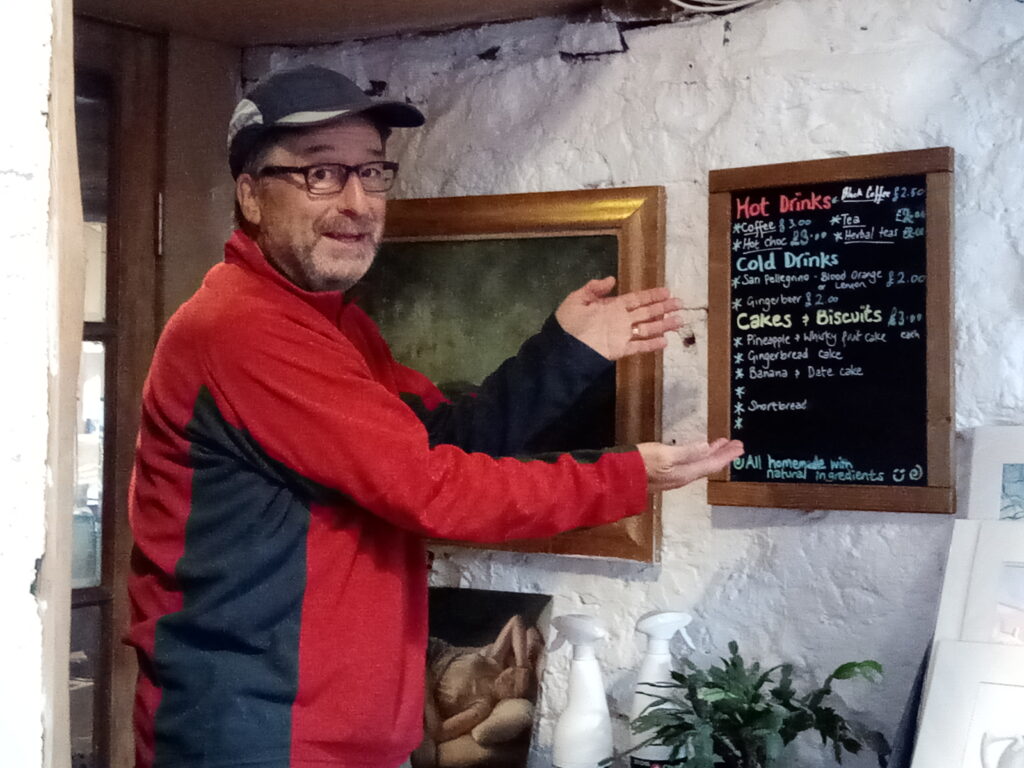 Cenzo and John were guinea pigs for their newest culinary creation, ‘the energy ball’.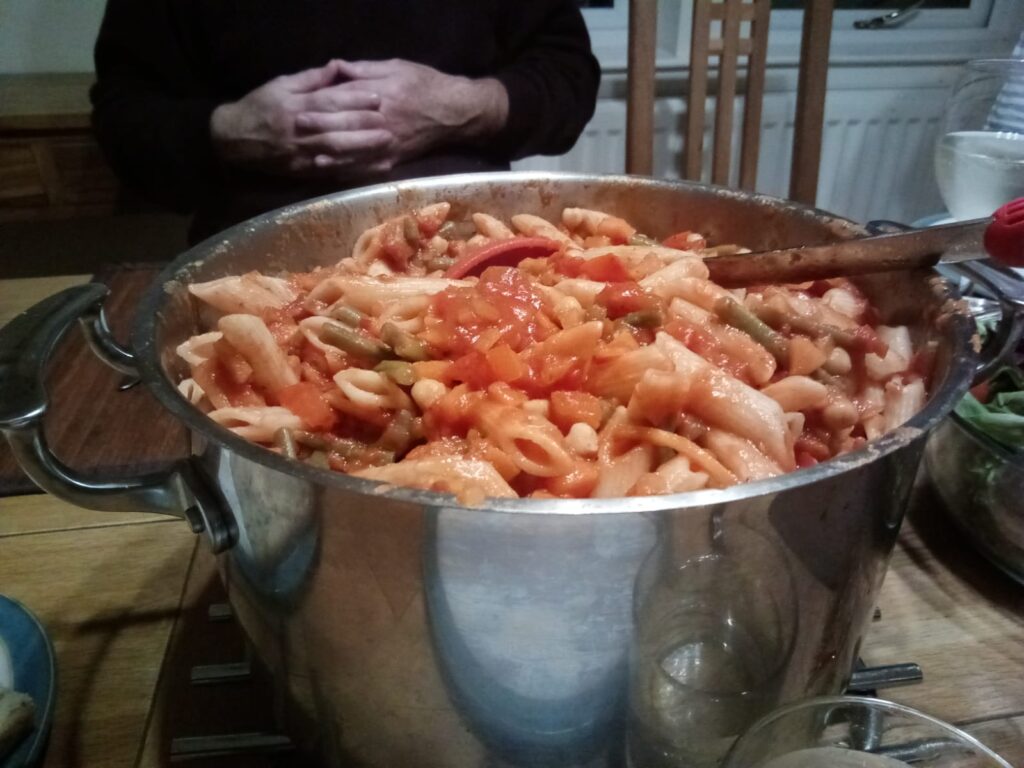
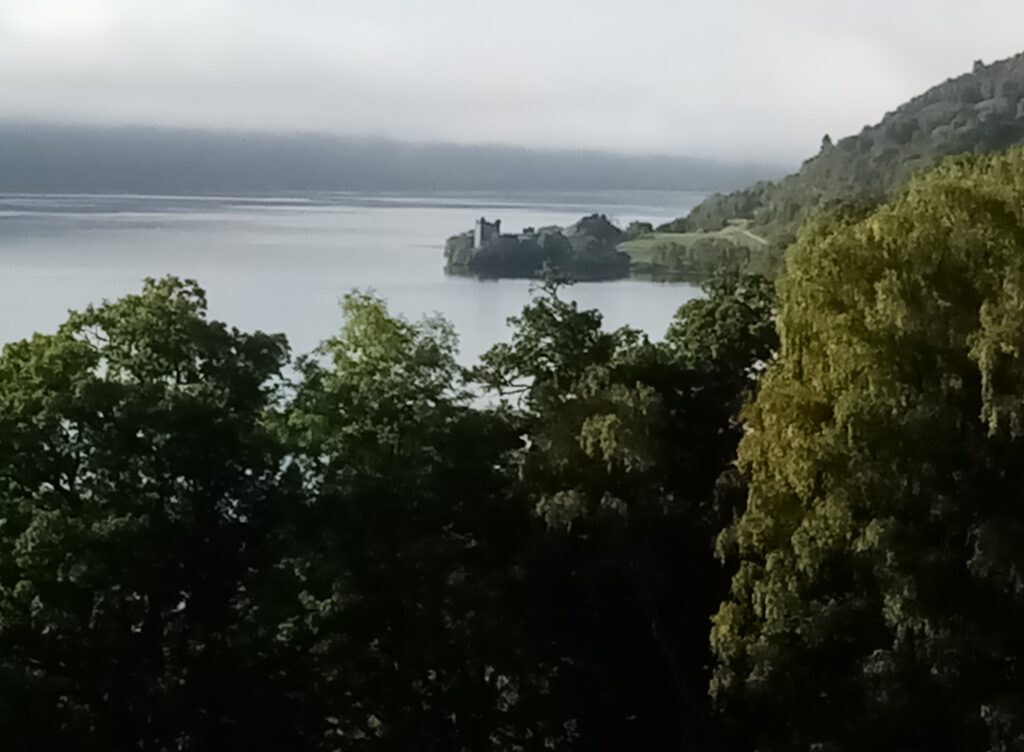
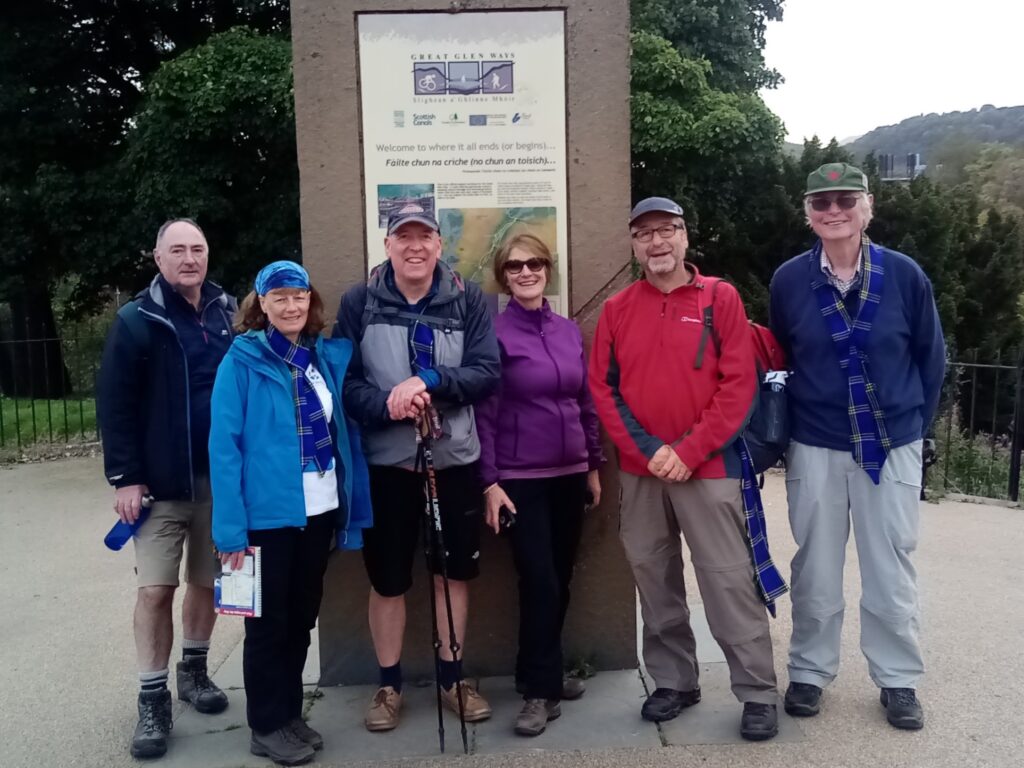
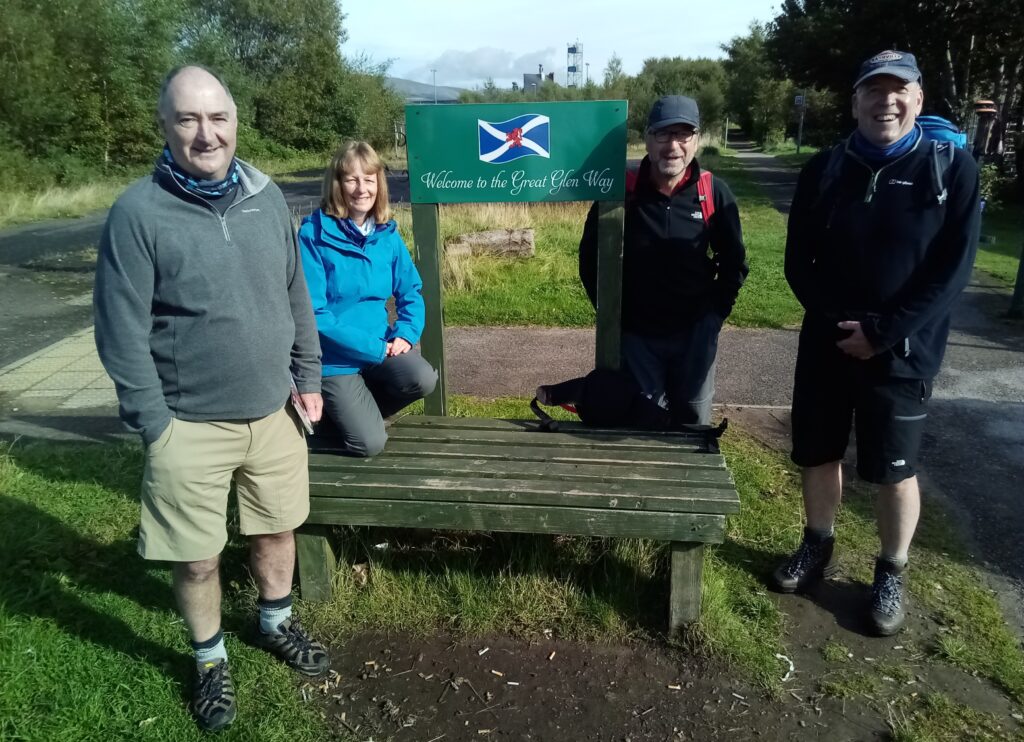
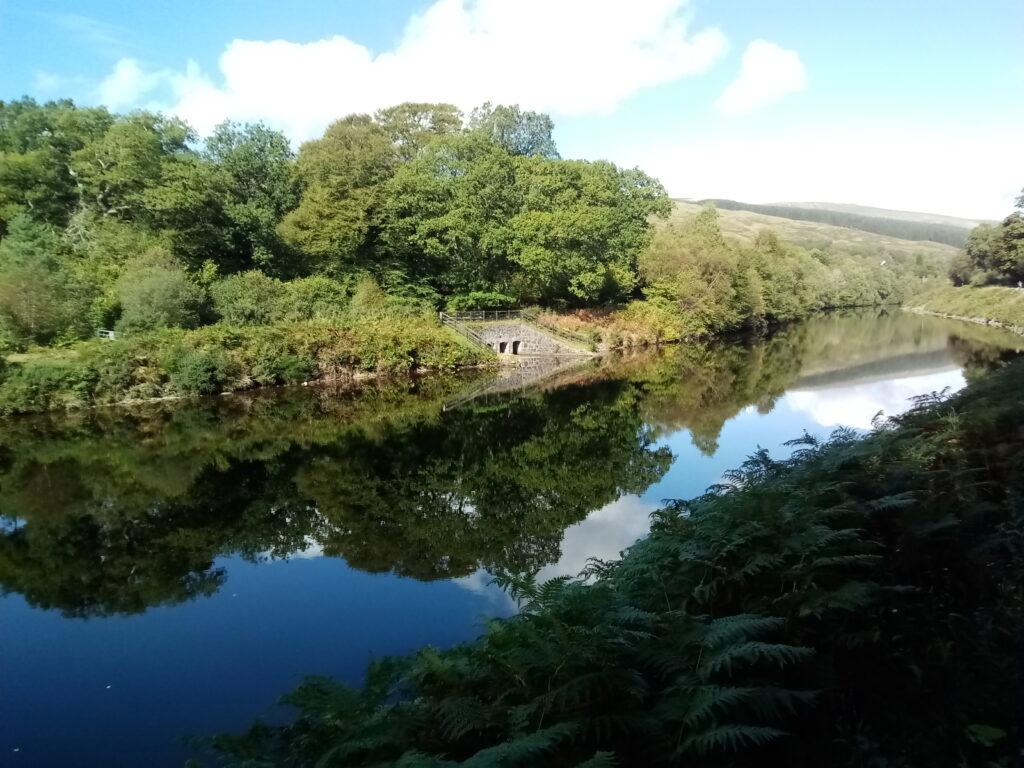 It cuts a swathe across the north highlands, along Loch Lochy, Loch Oich and the iconic Loch Ness. For the first three days it is a relatively gentle walk but the last two days are tougher.
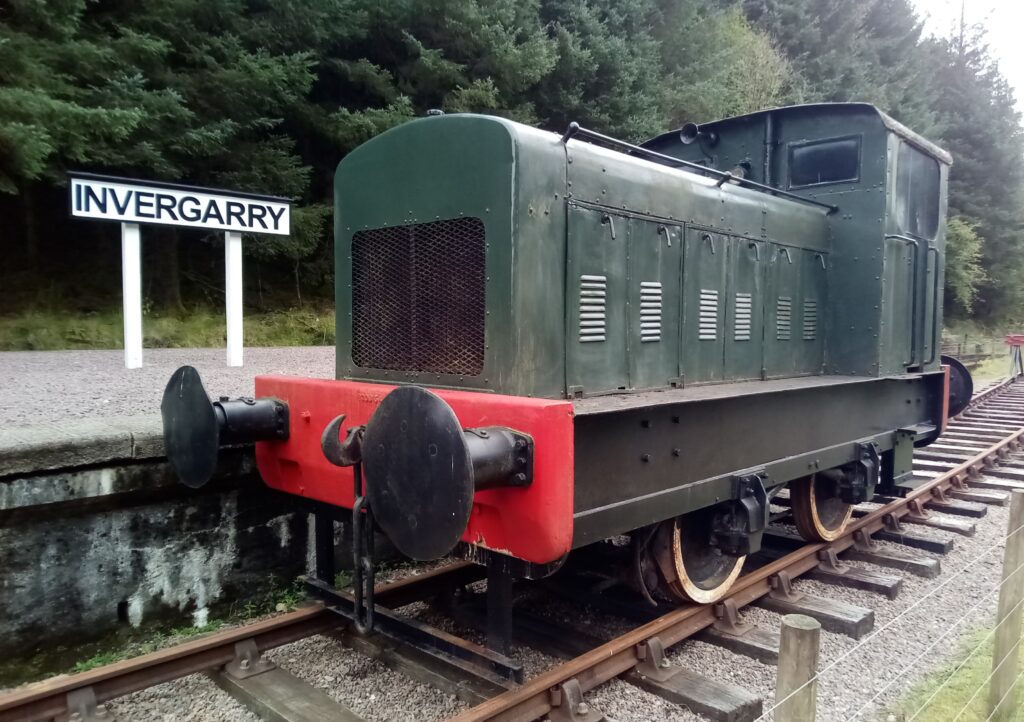 John forgetting his car keys (and Maura graciously going back for them), Mark’s first day blister and Cenzo frantically looking for a way of making ‘proper coffee’ at the Fort Augustus guest house (thankfully, he was successful).
 Anne and Maura made serene progress and Andy was the willing ‘pack horse’.
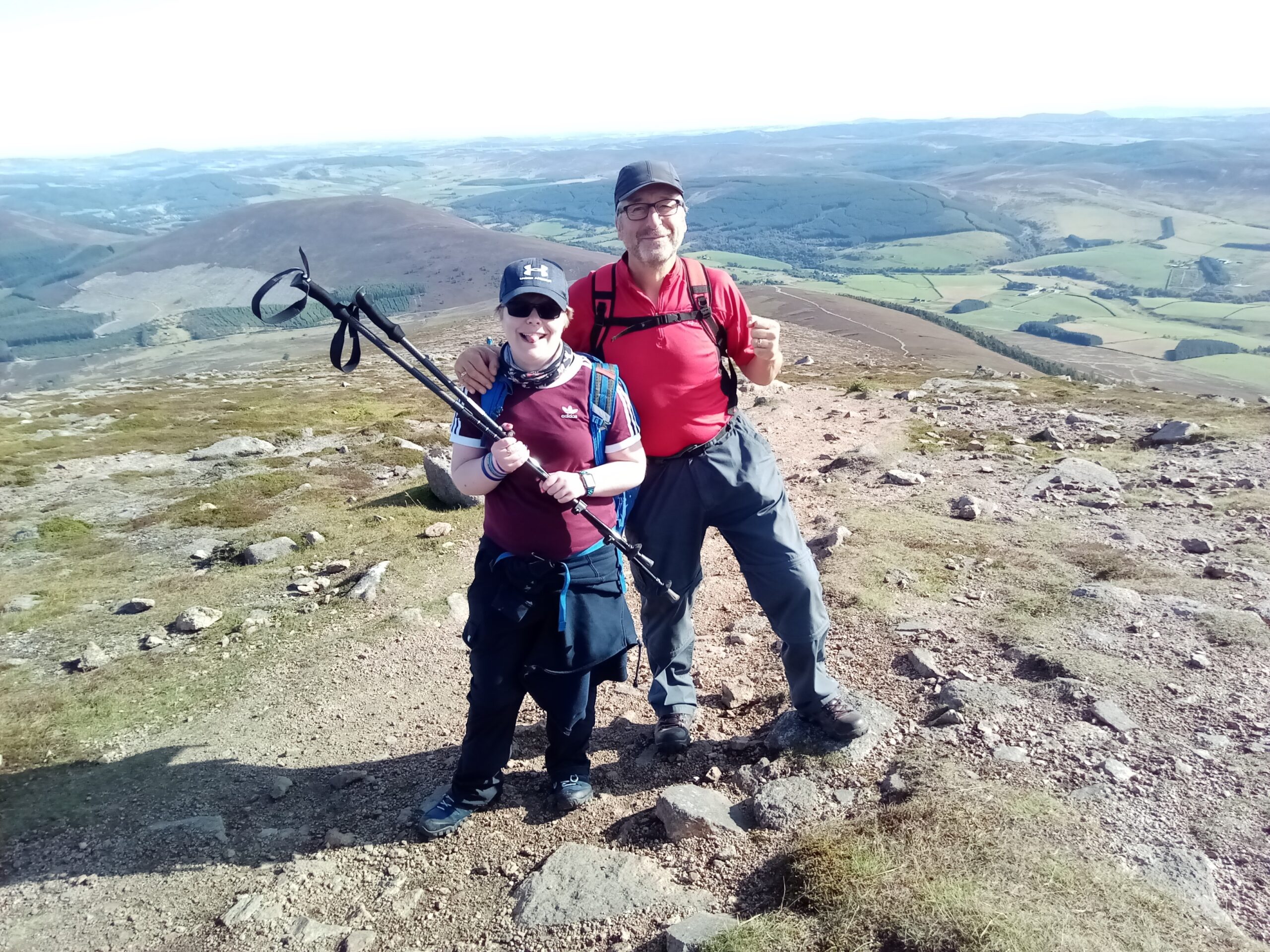 They were accompanied by Jordyn, who made a tremendous effort to reach the top. She was rewarded with a sash, welcoming her into the Busega Scotland walking group.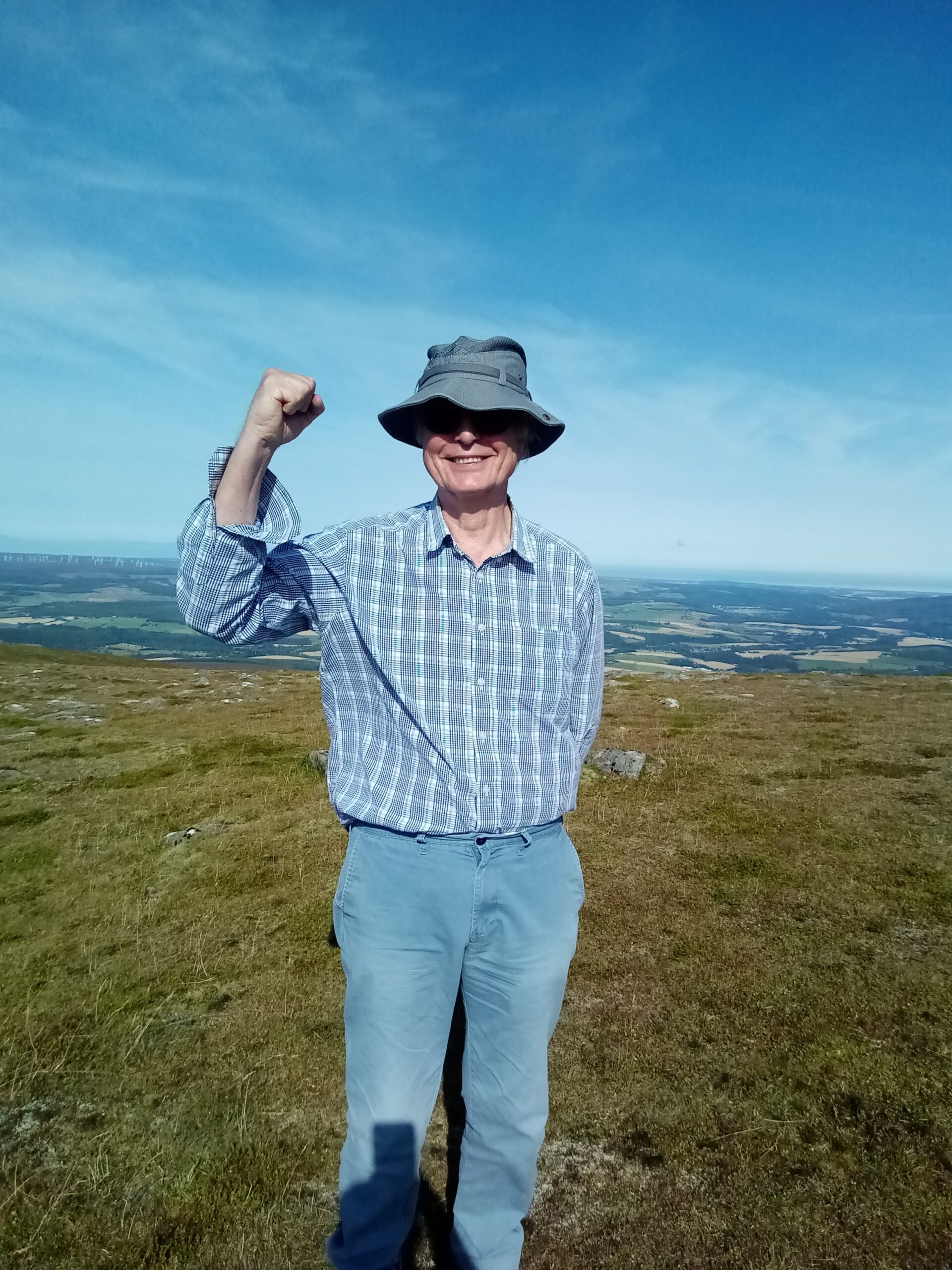
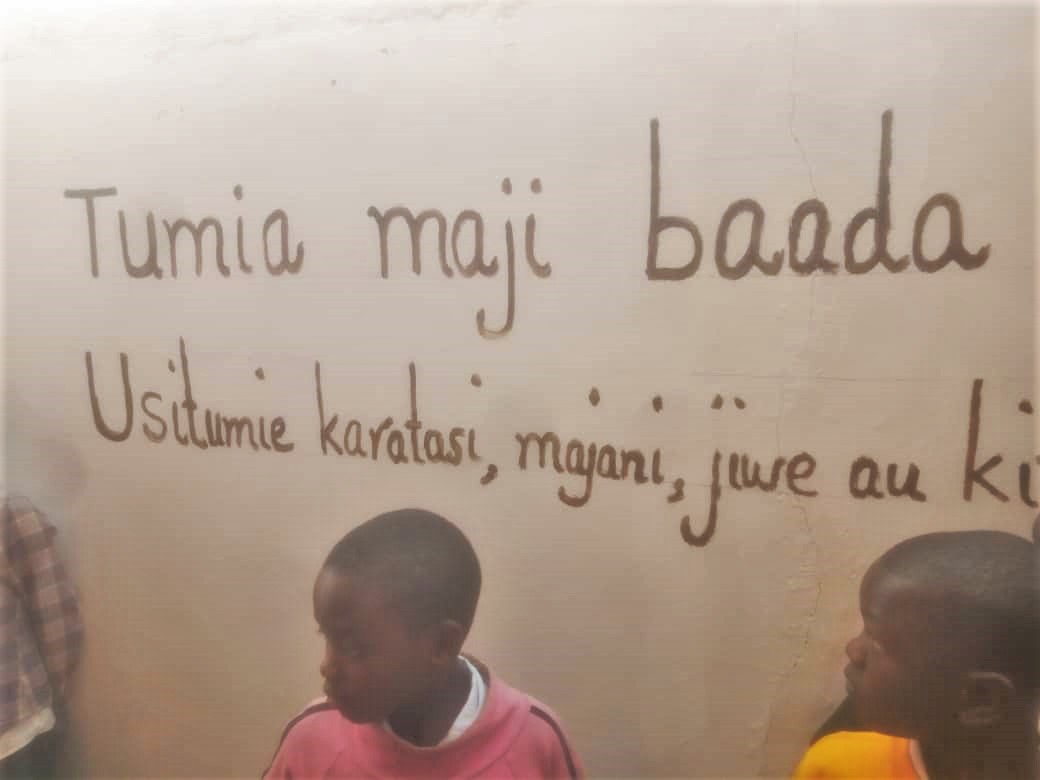
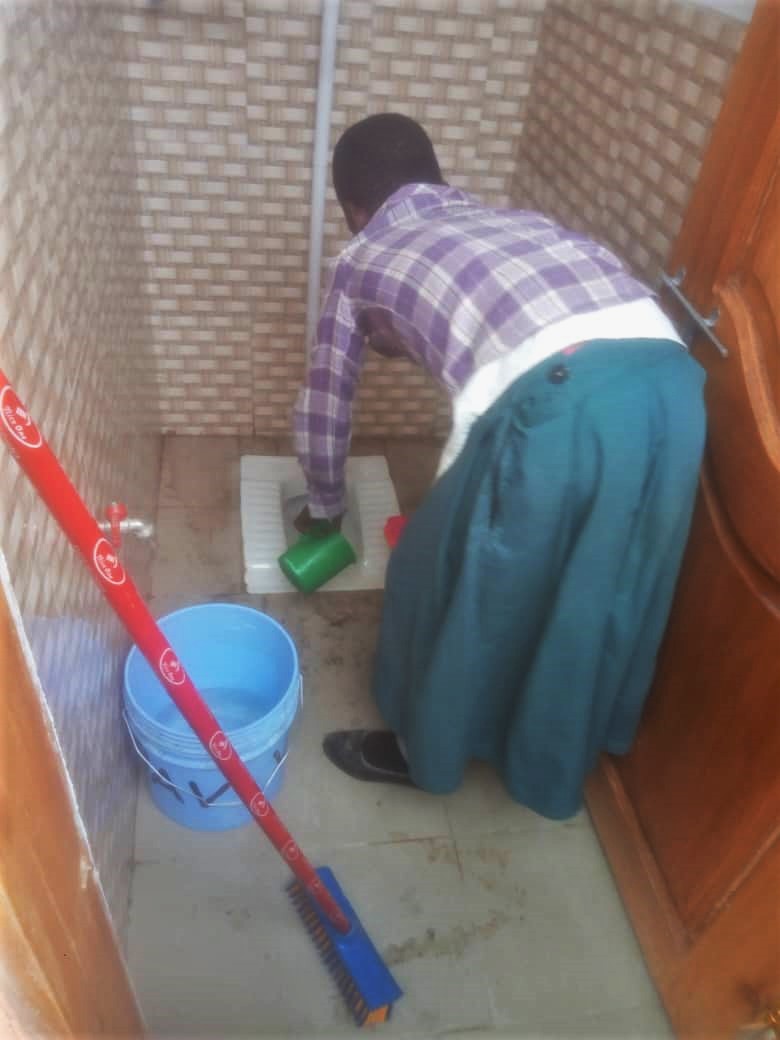 Toilet cleanliness is the responsibility of the classes, who use their designated toilet stances. The class monitor holds the toilet keys. The message on the wall is clear, ‘use water after using the toilet’.
 To that end, washing stations have been constructed to increase the number of taps available.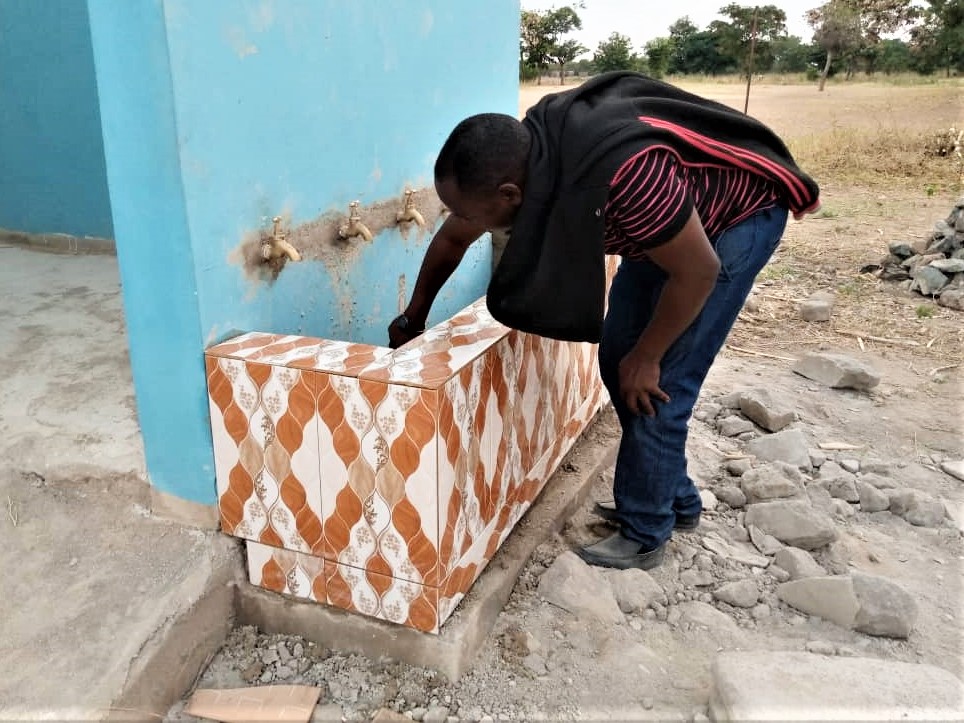
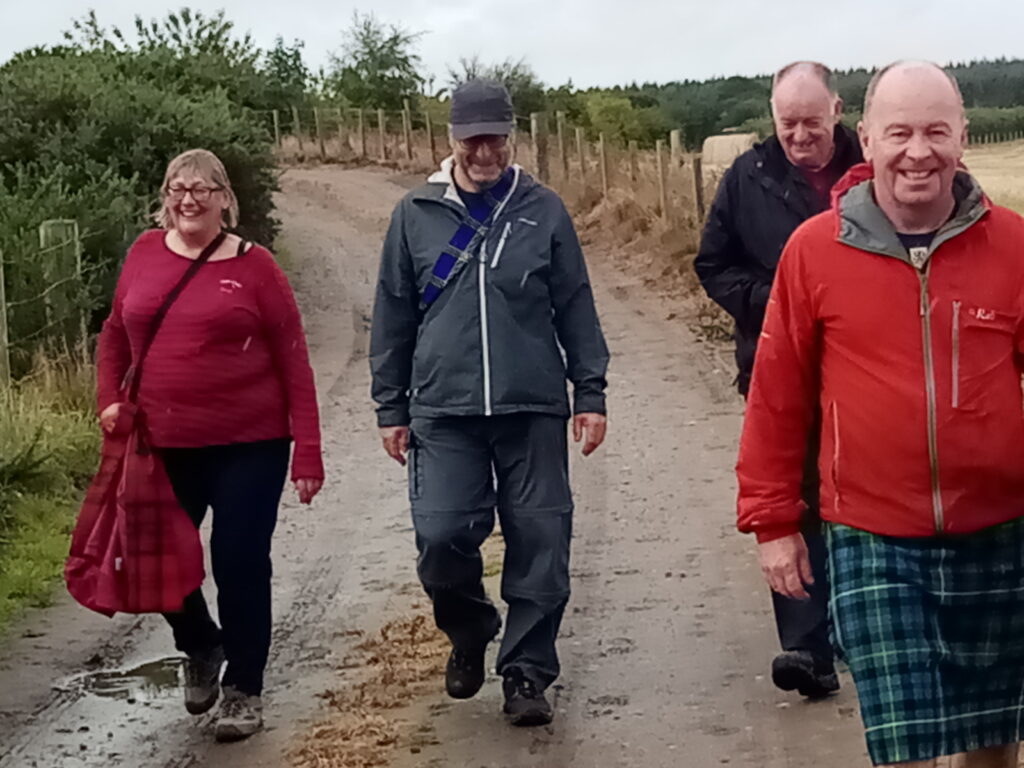
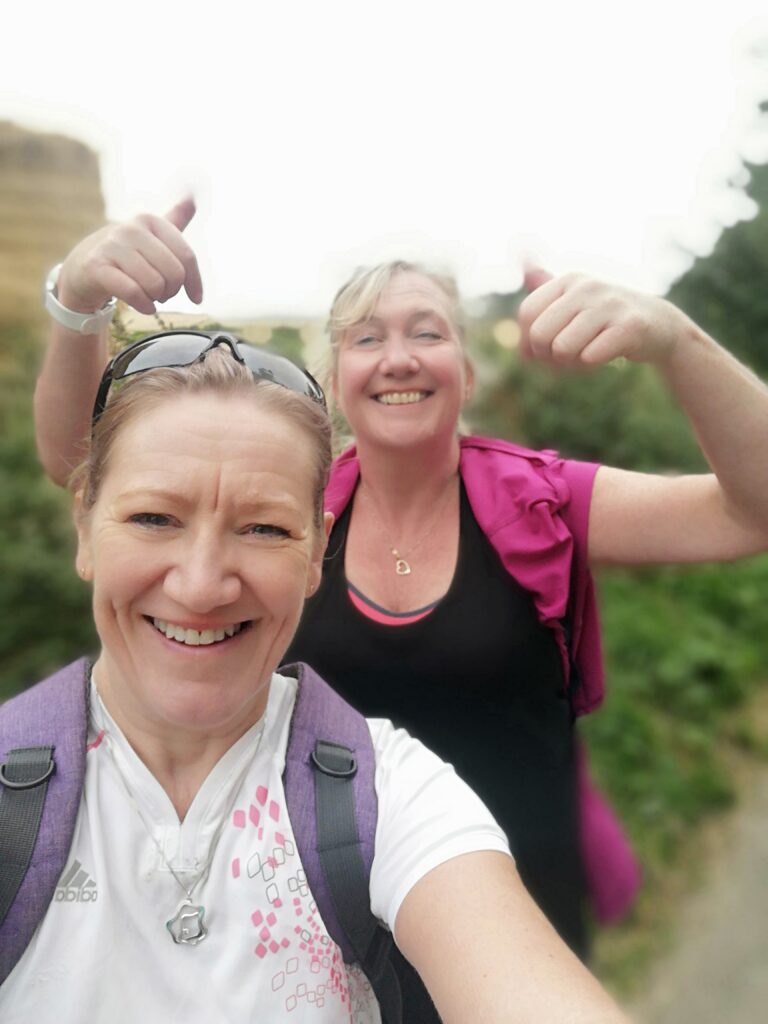 The quality walk was on Saturday 12th September when Moira Middleton and Pam Cooper walked a marathon of 26 miles! The women have known each other all their lives and Moira said, ‘We really enjoyed the walk because we walked our old stomping ground from childhood’. Sore feet and a few aches are the only ill effects! The quantity walks were on the Sunday when 13 folk set out on 5 mile strolls in the fields and forests around the village of Garmouth. As you can see there were kilts and tartan in honour of the Kiltwalk.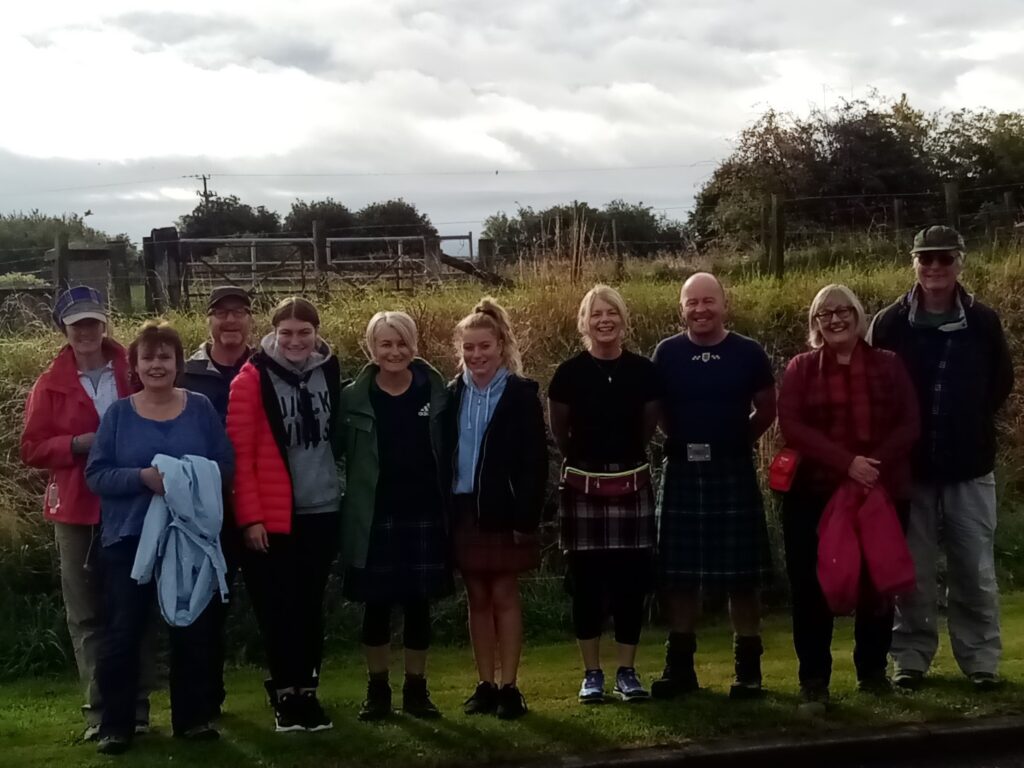
 when people pull together. Heartfelt thanks to all who have taken part in the walks and have made donations.
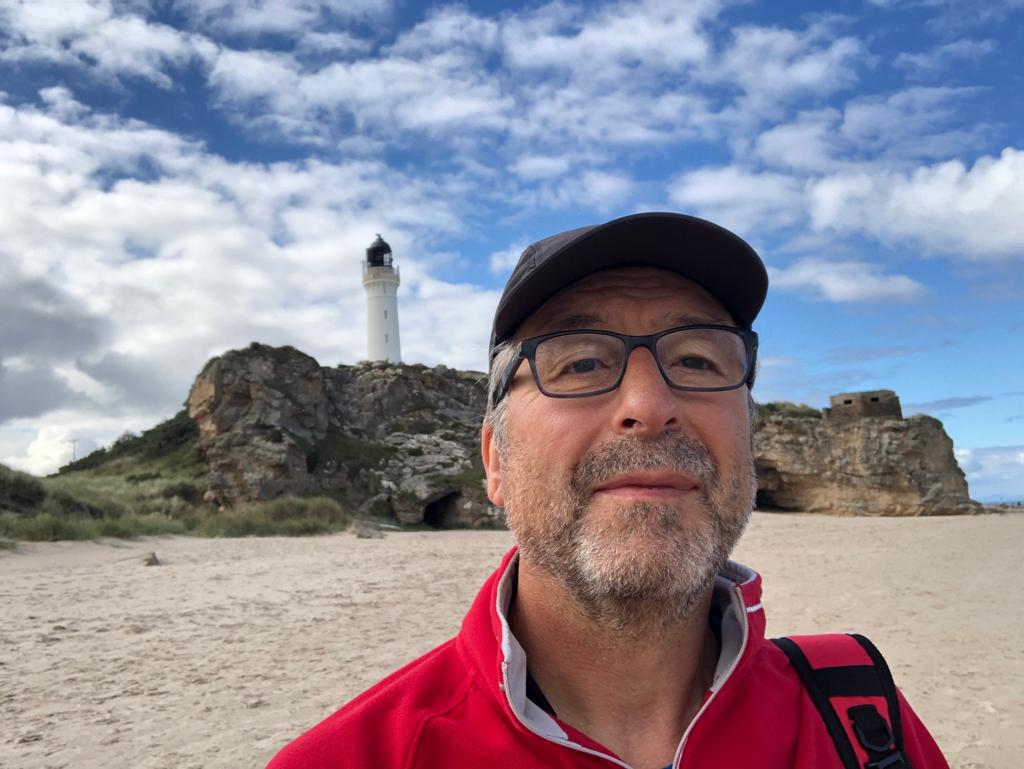 Cenzo has already completed Elgin to Hopeman via Lossiemouth and John the Letchworth Greenway. Both walks were 13 mile. Sterner tests are yet to come in the Great Glen Way from Fort William to Inverness. Kiltwalks in Moray will complete the mileage.
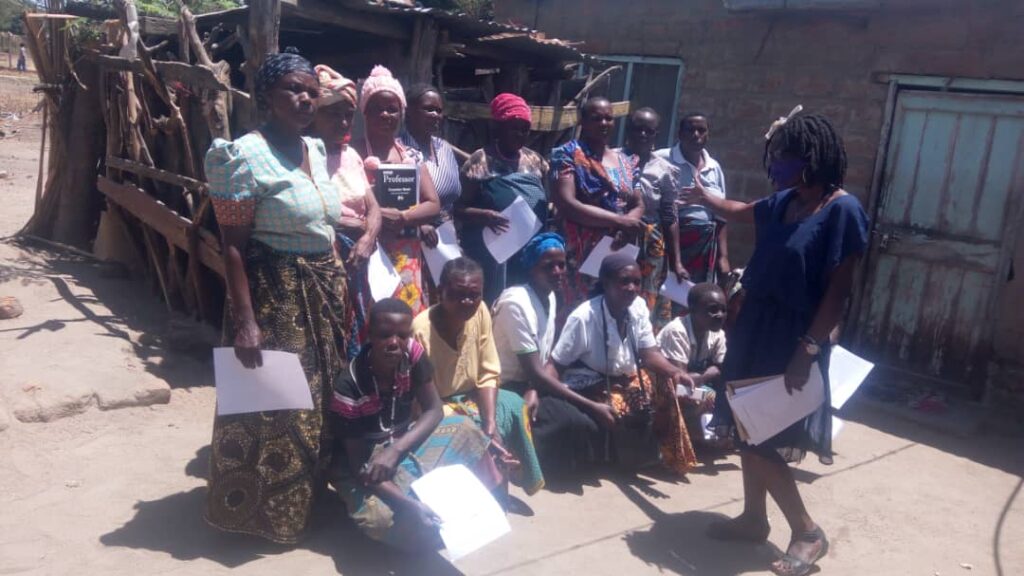 The women’s group at Mayega has taken extra time to set-up because of the pandemic. Our Assistant Project Leader, Julieth Godwin, met group members a few days ago, as part of the joining process. Each member has background details collected and
 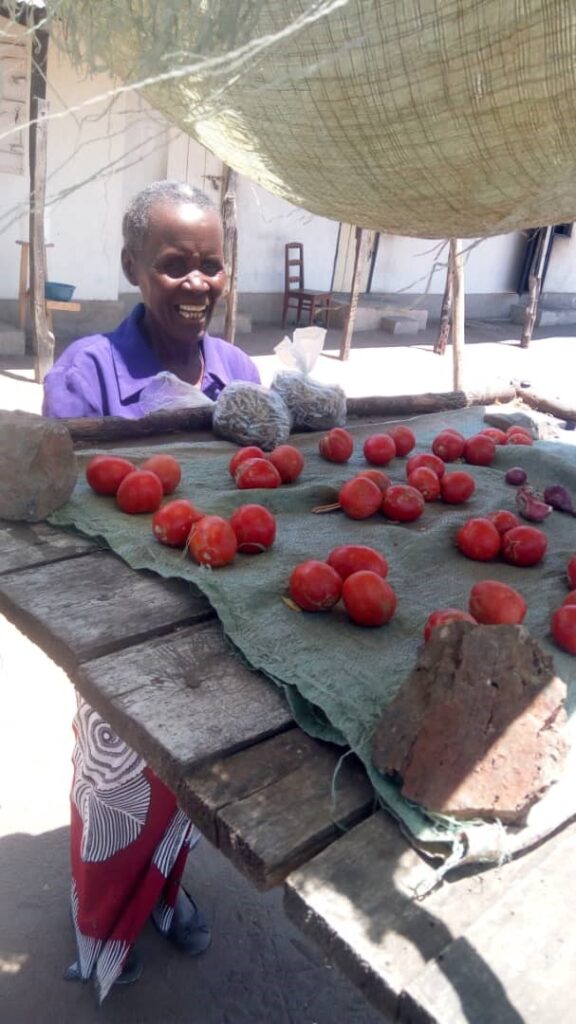 checked, as our Family Support Project is targeted at families most in need of support. Most women are running small (actually micro) businesses and the injection of business capital we are able provide offers the chance to grow family incomes.
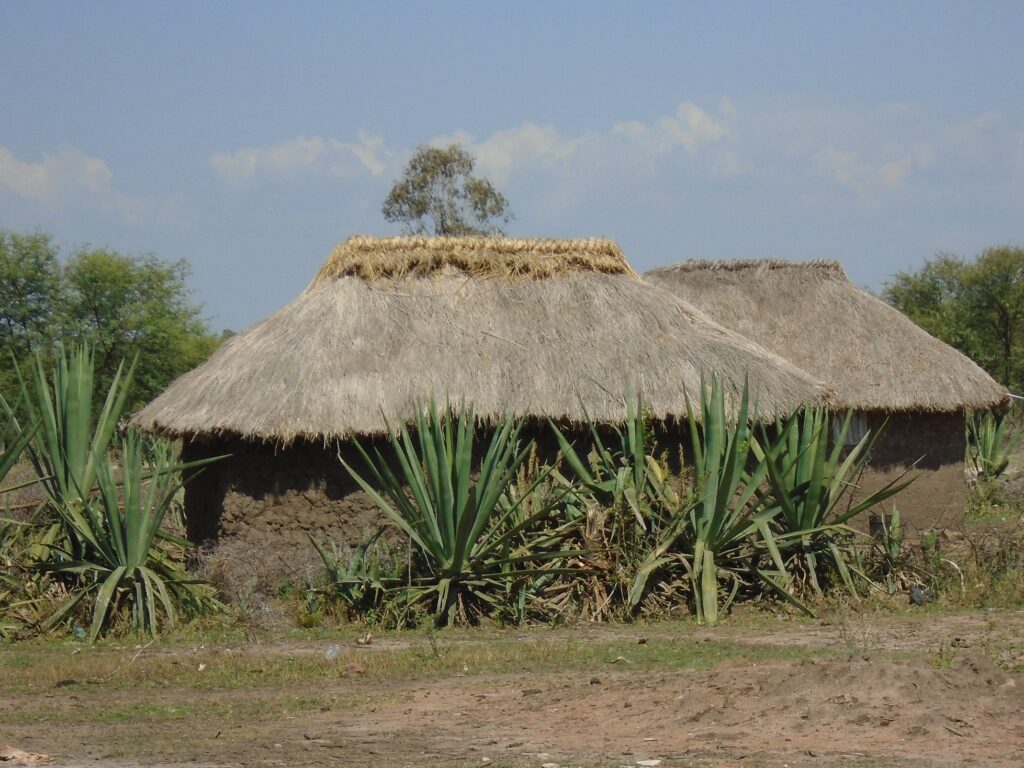 Mayega is not a wealthy community. It was formed in the 1970’s when President Julius Nyerere launched his villagisation programme, moving remote populations into larger settlements (supported by welfare facilities such as schools and dispensaries). There are seven sub-villages in Mayega with scattered collections of houses. Although next to Lake Victoria, with the opportunity for fishing, the area is arid for most of the year. This limits the economic wellbeing of its 2,500 inhabitants.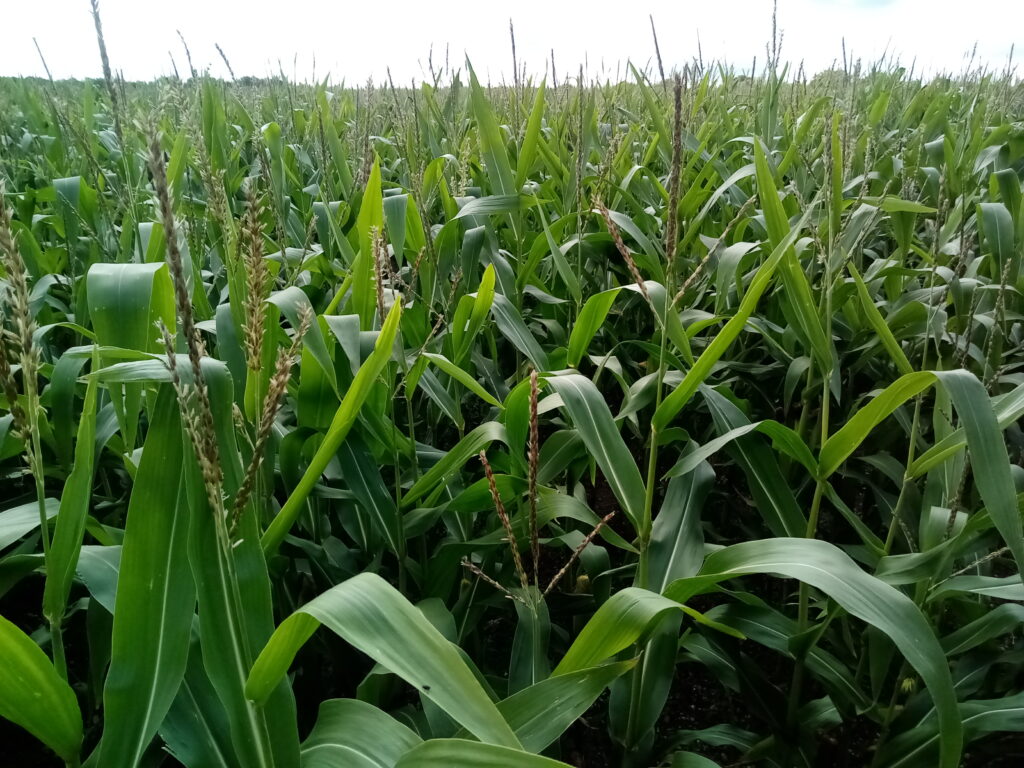
 There was good news at the beginning of July when the World Bank declared Tanzania a ‘lower middle-income nation’. This move up from the ‘least developed’ category has come five years ahead of a schedule set-out in the National Development Vision.