
We would like to say a big thank you to all our friends who took part in Play in to Help Out and its various activities. The event was concluded at a Presentation Evening on 10th April. The quiz answers were revealed, a talk was given on the difference Busega Scotland is making in Tanzania and the raffle drawn.
The quiz was won by Jenny and Rob Wallen. They were later presented with a bottle of bubbly by Andy Lees, of Lees Wealth Management, who kindly donated the champagne. Many thanks to Andy and congratulations to Jenny and Rob.
A Mayega Shuka was the unique prize in the raffle. It was won by Stepnen Ambu, an old friend of John Carney from his university days in the mid seventies. Stephen lives in Kuala Lumpur. He said of the shuka, ‘very beautiful. I will treasure it always. Will now have to move to a cold climate!’. The shuka has arrived in Malaysia and Stephen is shown ‘modelling’ it!
A shuka is a traditional African garment. The Mayega Shuka pattern was developed by the children at Mayega Children’s Centre and the pure new wool cloth produced at the historic Knockando Woolmill in Speyside, Scotland. Only 40 were made and we have a small number left to sell at £95. All of the sale price goes towards the work of Busega Scotland. If you would like one or to read the backstory of the Mayega Shuka please email busegascotland@gmail.com .
 The northern part of Tanzania is a place of contrasts when it comes rain. For large parts of the year there is little or none and in the rainy seasons there can be too much – mvua nyingi. This has had two recent consequences for Busega Scotland.
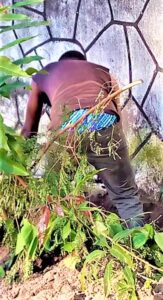 clear the blocked drains and we hope for no recurrence.
 Firstly, dear Susi broke the frame of her glasses. In double quick time they were sent to Mwanza for repair. We know the optician well and he knows Susi. His name is Mr Huruma, which is the Swahili word for ‘compassion’. Living up to his name, and with great generosity, he made a spare pair of glasses for Susi free of charge. Thank you, Mr Huruma.
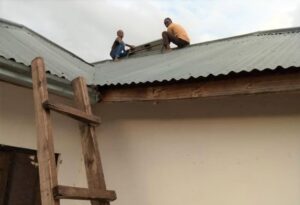
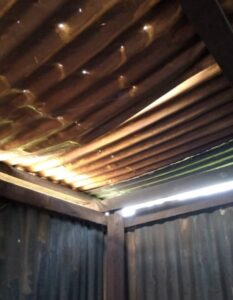 We have a good system for responding to the unexpected. We receive a payment request, along with an estimate, from Tanzania colleagues and this is then authorised before funds are removed from our Mwanza bank. As the city is 80 miles from the Children’s Centre cash is sent through mobile phones in a system generally called Mpesa. It is cheap and efficient and equivalent to our bank to bank transfer and ideal for rural locations. We have a very good fundi (tradesman), Mr Deus, who we can call upon to do much of our maintenance work. Through this system emergencies call be dealt with very quickly despite the distances involved.
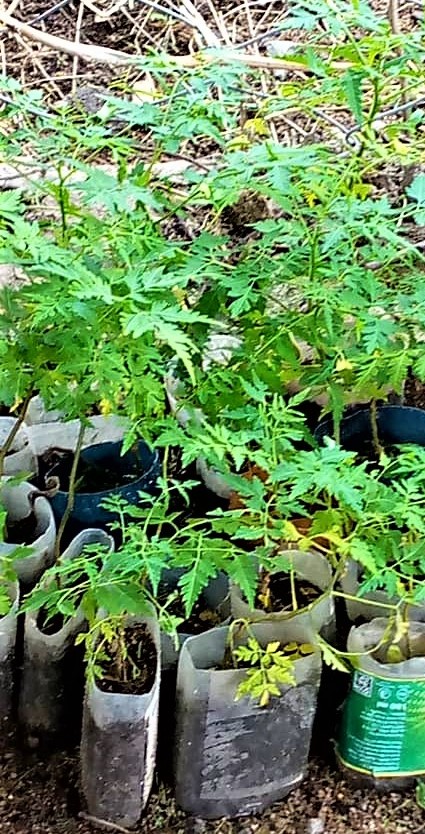 Folk in rural Tanzania have a close relationship with the forces of nature. Fishermen on Lake Victoria contend with violent storms, farmers fear drought and flood, and the possibilities of hunger and destitution are there for many people. Families have to be resilient.
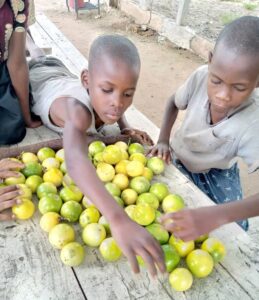 The children at Mayega Children’s Centre connect with the natural world – in our vegetable garden, by growing many young trees and bushes to improve the environment, and through keeping chickens. These are not just chores or interests but life skills that may be needed in the future.
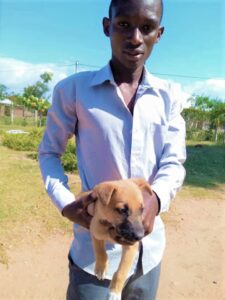
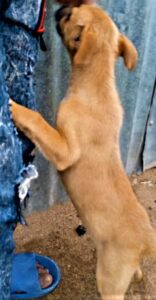 One of the boys, Paschali, has particular interests. He keeps pigeons (‘for looking, not eating’, as he once memorably said), looks after Floppy, the Centre’s puppy, and has now started growing seedlings in his tree garden. This remarkable youngster would like to be a wildlife ranger. There is strong competition for places on the national course but the wonderful thing is that Paschali has that aspiration.
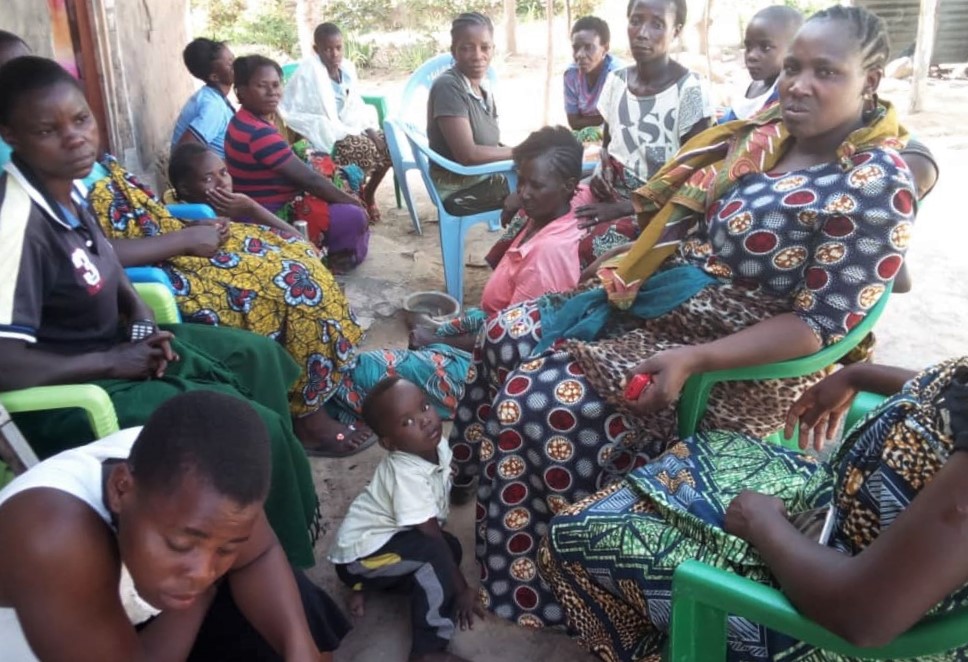
 As Julieth said about her assessments, ‘I am always looking at the whole family situation, such as what kind of house they have, do they have valuables in their home, are they residents of the area and what is their economic status? Is it a family having a woman with a big responsibility for caring? Is she doing all the work of earning at least a family income? This can be proof enough that this woman should be included in our project’. The assessment is a skilled job that is aided by a family circumstances questionnaire but a lot depends on Julieth’s experience and judgement.
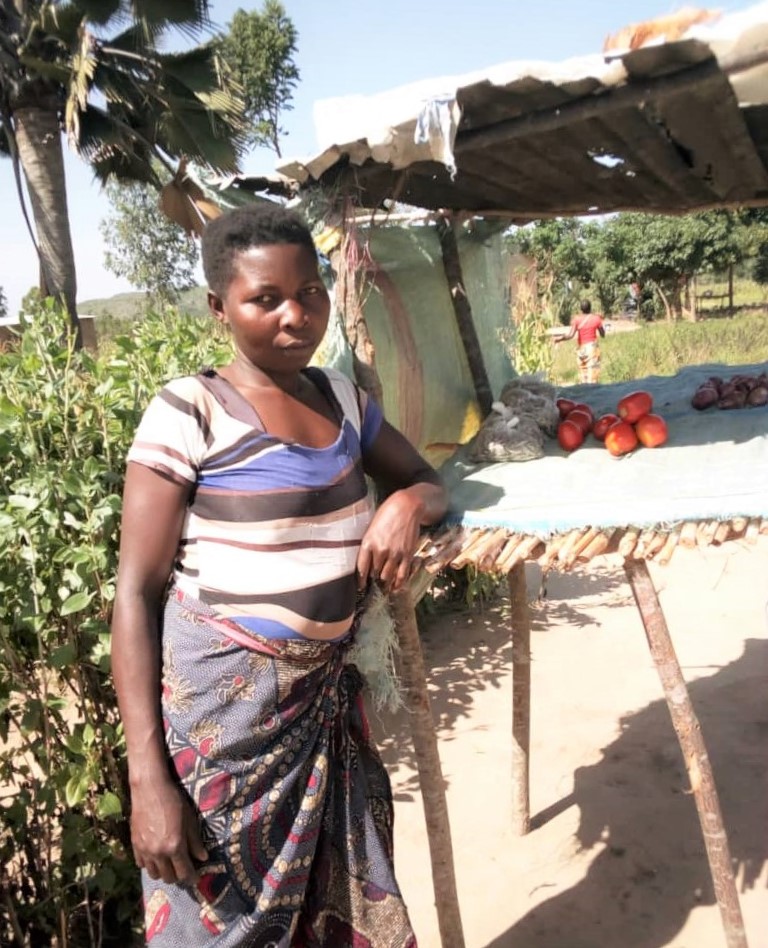
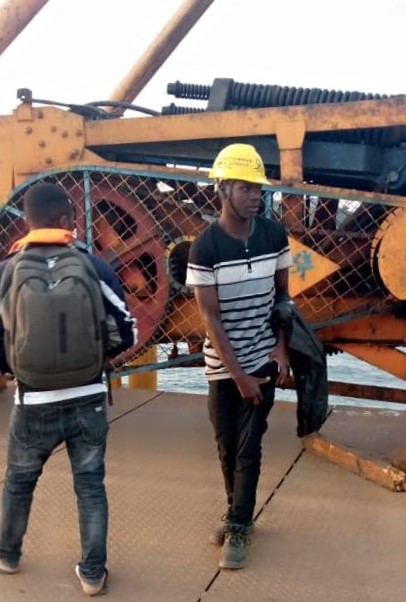 Leukondia had been missing for a while. Away from Mwanza looking for work and he has been successful. About 20 miles from the city is Kikongo, on the shore of Lake Victoria. It is the point of departure for ferries across the lake to Busisi, 3km away. Several years ago a minibus went into the harbour and many people were killed. Perhaps stimulated by that disaster, the government is constructing a bridge – the longest in East Africa and the sixth longest in Africa. Leukondia, in the hard hat, is employed in the construction. Here is a link for more information.
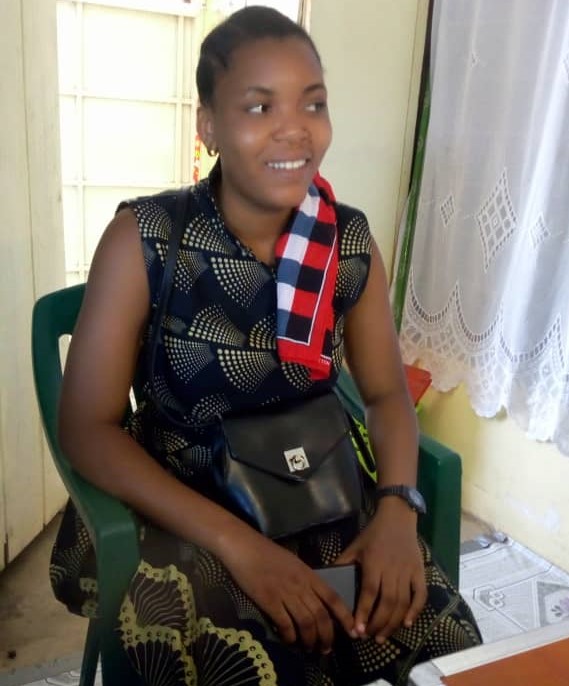 Working in Mwanza city, in an electrical/hardware shop, is Margreth. She has a certificate qualification in electrical installation. A clear help in the work she is doing. Looking very smart, she dropped in at the Busega Scotland office for a chat.
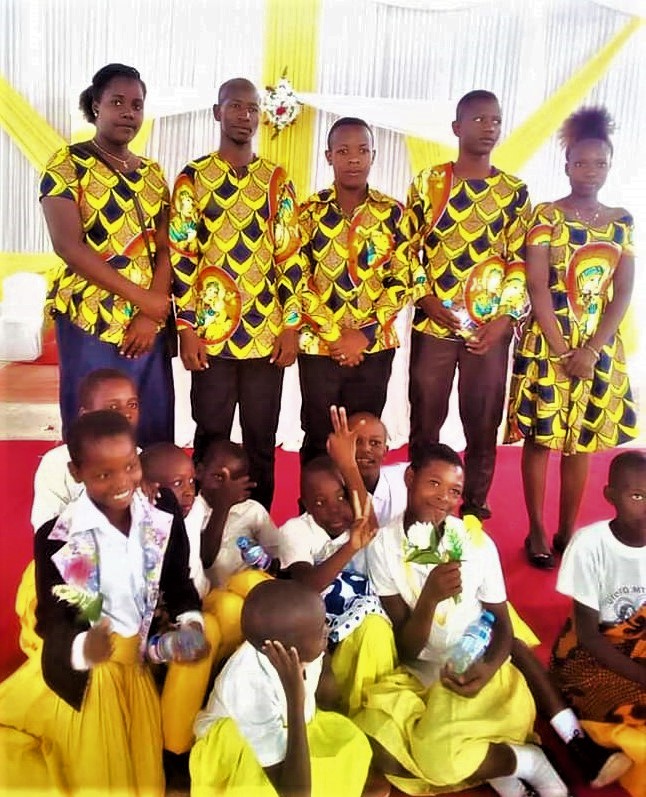 Margreth’s classmate Tabu is out of town and helping her sister with childcare (and also doing some shop work). Tabu (back left in the photograph) is a mainstay of her church choir. Choirs in Tanzania perform an important social and recreational function, and their sound is uplifting (and often very loud!). Enjoying an African church choir is one of those ‘must do’ experiences. Tabu is a very good singer.
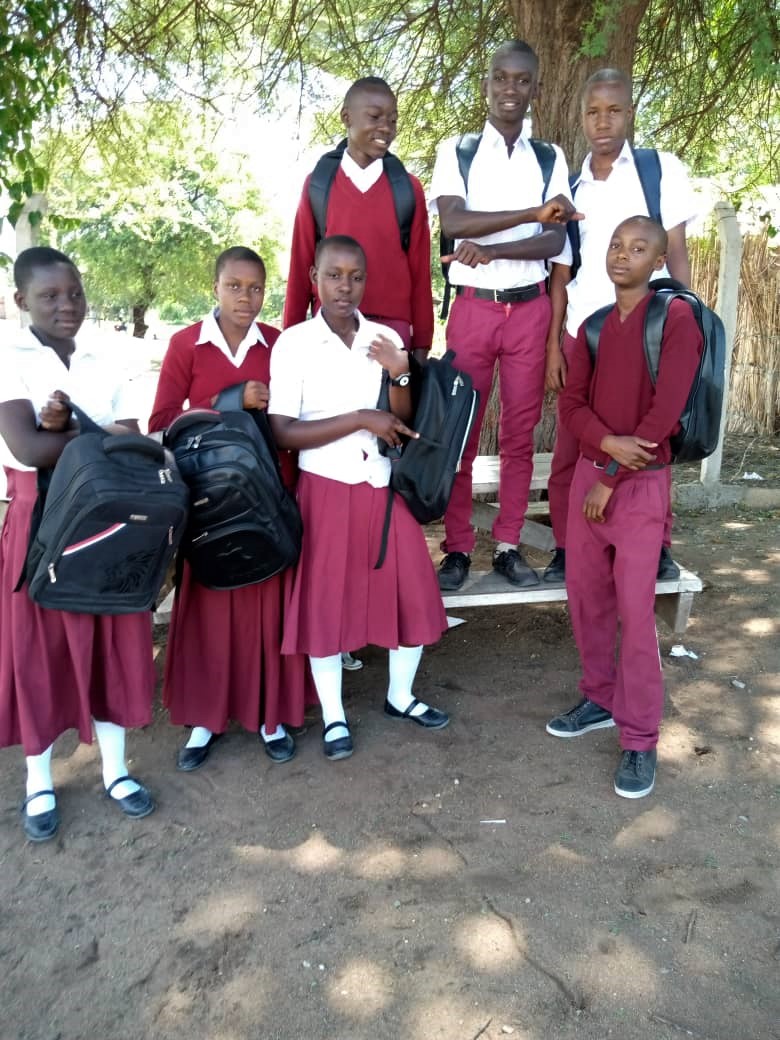 January is a busy month at Mayega Children’s Centre.
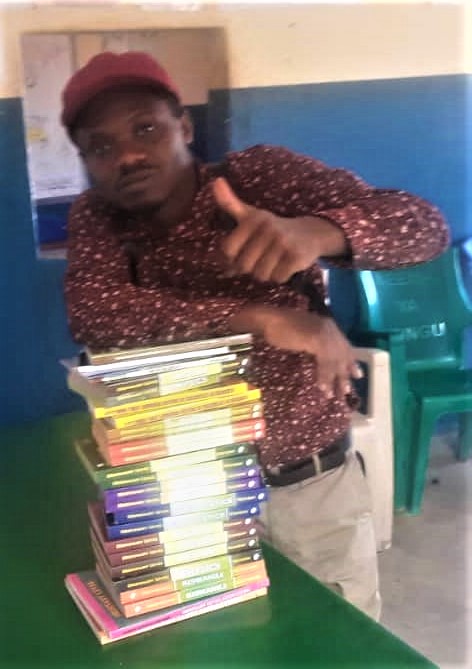 Mwanza to choose and purchase the books. Mr Reni and Patron Emmanuel have worked hard to establish a learning culture at the Centre and have been rewarded with some superb exam results (there are earlier articles about this on the News Page). We ensure the children have the resources to stretch them.
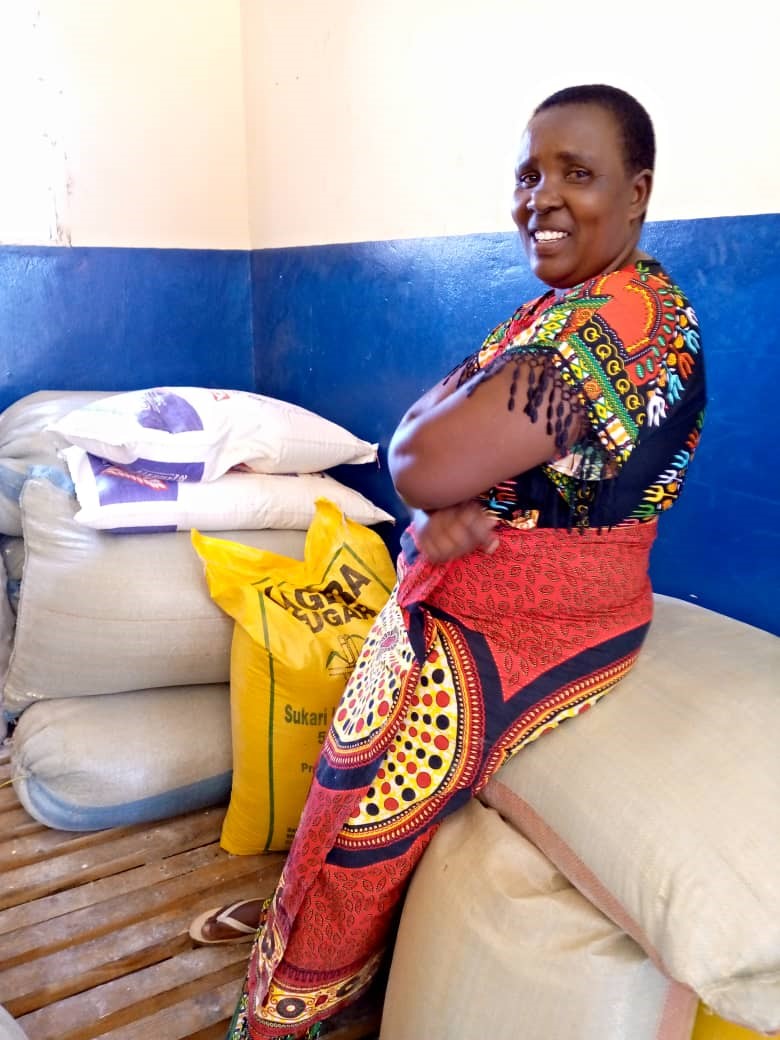
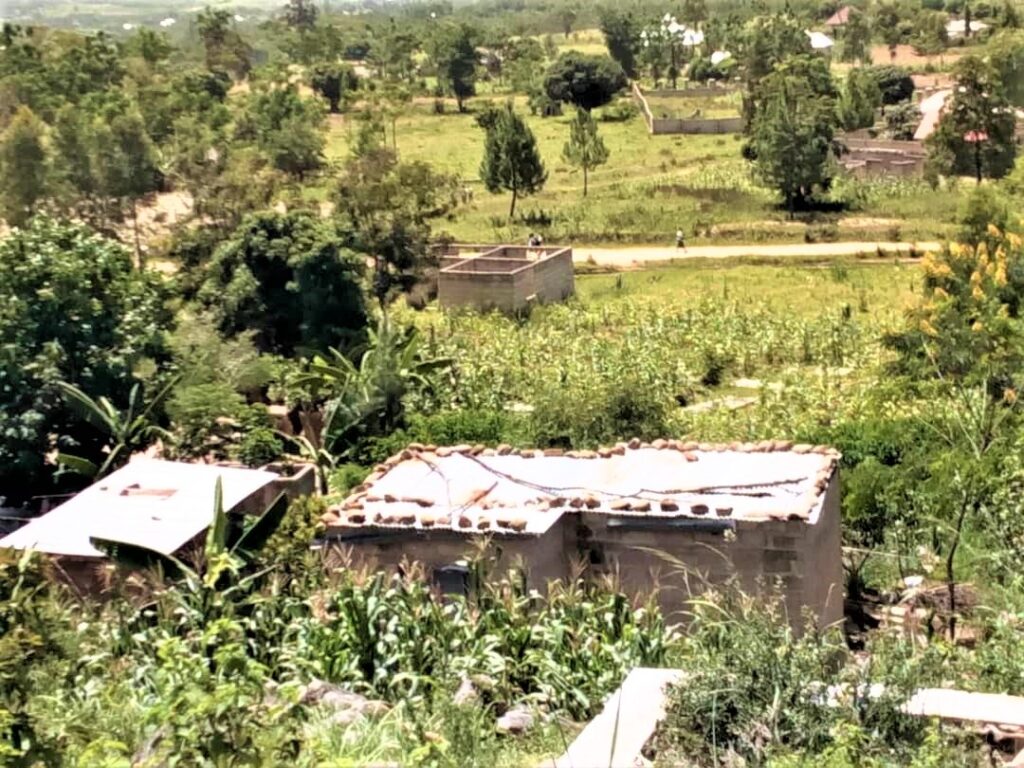 Our Assistant Project Leader, Julieth Godwin, said, ‘Mukuyuni is new to us. It is about 6 miles from Igombe and inland from Lake Victoria. It is not a fishing village and people rely on agriculture, collecting firewood, making charcoal and breaking stones for gravel, to make a living. About 500 people live there and they have a primary school and dispensary’.
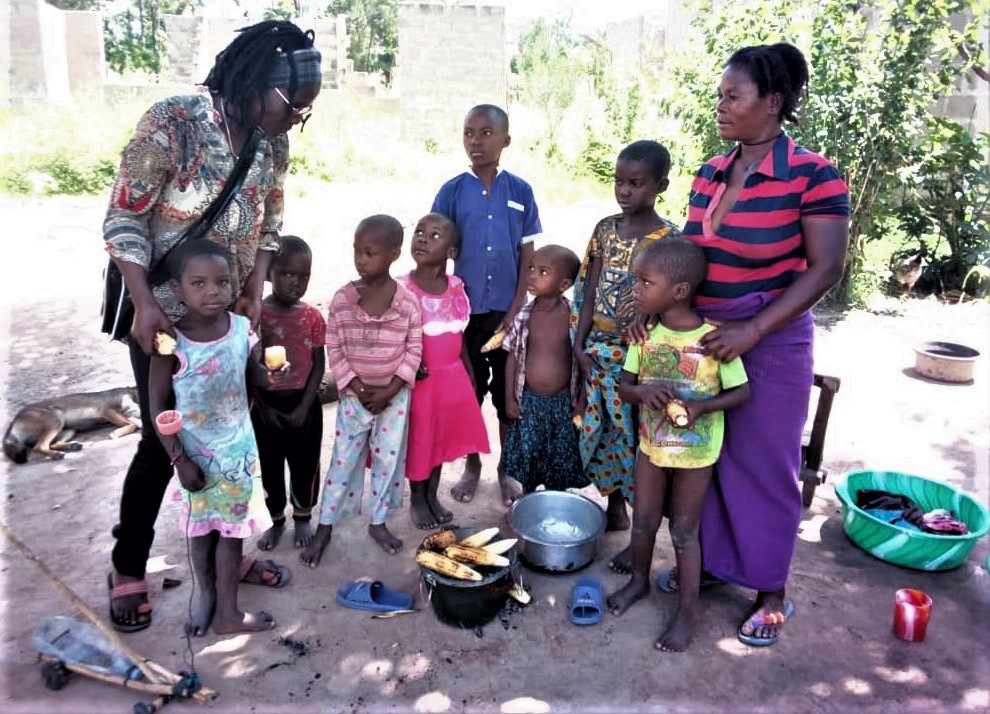 Julieth is working closely with local leaders. Together they identify women who will benefit from group attendance. Julieth’s visit to Mukuyuni in January was affected by the rainy season weather. Julieth said, ‘it was raining so hard we couldn’t reach many families. I visited three and then had to give up but I’ll be back in February to complete the assessments. The families are very poor and the soon our group starts the better’.